1. When a job board charges more for a listing, what should employers expect to get for the extra spend? How can they separate extra reach from extra hiring functionality?
There’s a link between spending more and being more visible on a jobs board. However, more reach doesn’t necessarily mean better candidates.
There are many platforms where an algorithm will determine who sees your advert.
If you choose the lower-priced listing for your job ad, you run the risk of your vacancy being pushed towards profiles that are neither active nor relevant. You may receive plenty of applications while not reaching a single candidate who is the correct fit for the role.
For example, if you’re looking for an ACA-qualified accountant, you wouldn’t want to hear from second- or third- year accountants who lack the required experience. Naturally, you’d want candidates who match your profile.
At Talent Hunter, we take a different approach. We give employers and candidates access to the full suite of tools and resources they need. Our free CV analysis helps candidates understand how their skills and experience match a role before they apply.
We've seen this contribute to a 70% reduction in unsuitable CVs.
2. Which tools should come with a basic listing, and when does paying more for tools or distribution make sense?
I understand the commercial reasoning for charging more for essential recruitment tools. However, I'm a firm believer that while putting core functionality behind a paywall may increase a platform’s revenue, it also undermines credibility.
We incentivise the right things to attract the right people. For example, we have a partnership with a healthcare provider. Our users get a discount with this provider.
Our role is to narrow the gap between a huge audience and the right people who are genuinely relevant. We’ve designed our platform to get employers closer to the right candidates, not simply generating more traffic.
3. If a small employer tests two platforms for a similar vacancy, what should they track beyond application volume to tell which one offers better value?
Employers should track the velocity and accuracy of skills in the responses.
How long does it take the first candidate to respond once your advert goes live? Next, once a CV is available, how quickly can the employer decide whether the person is suitable?
You could spend a lot of money and receive a million CVs. However, now you have to spend three days going through this pile to find the right person. That’s not good value. You need to value your time as well as your money.
It’s a better use of your time to interview candidates, assess their experience and decide whether they’re the right cultural fit.
In our view, the best platform isn’t the one sending you the most applications. It’s the one that gets you to the right candidate with the least amount of wasted time.
4. Can you share an example where spending more made a meaningful difference to hiring outcomes, and one where it didn't?
Yes, when it comes to headhunting there is a case to be made for spending more.
If you’re recruiting for a senior or specialised role, you might travel to meet a candidate, take them to dinner and meet them again the following day. If a role is paying 300k, and the recruitment fee is 20%, you’d be crazy not to invest in finding the right person.
On the other hand, simply spending to buy more volume on a jobs board with no guarantee this will improve the outcome is not a smart investment.
An employer spent around €1,700 a month on a major job board, getting lots of reactions but very few relevant candidates. On TalentHunter, they received three potential CVs from three candidates they could actually assess.
It's not about how many people respond. It's whether the investment brings you closer to the right hire.
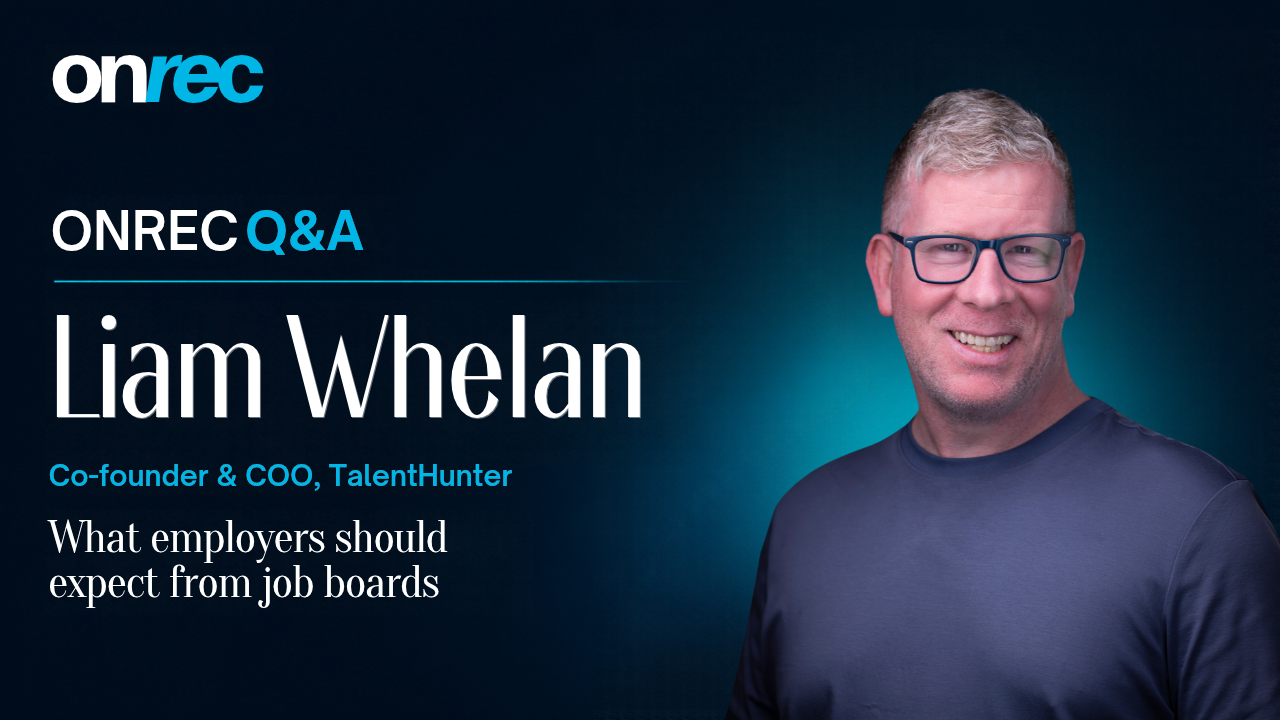
About Liam Whelan
Liam Whelan is co-founder and COO of TalentHunter, the jobs board that is powered by people and assisted by AI.