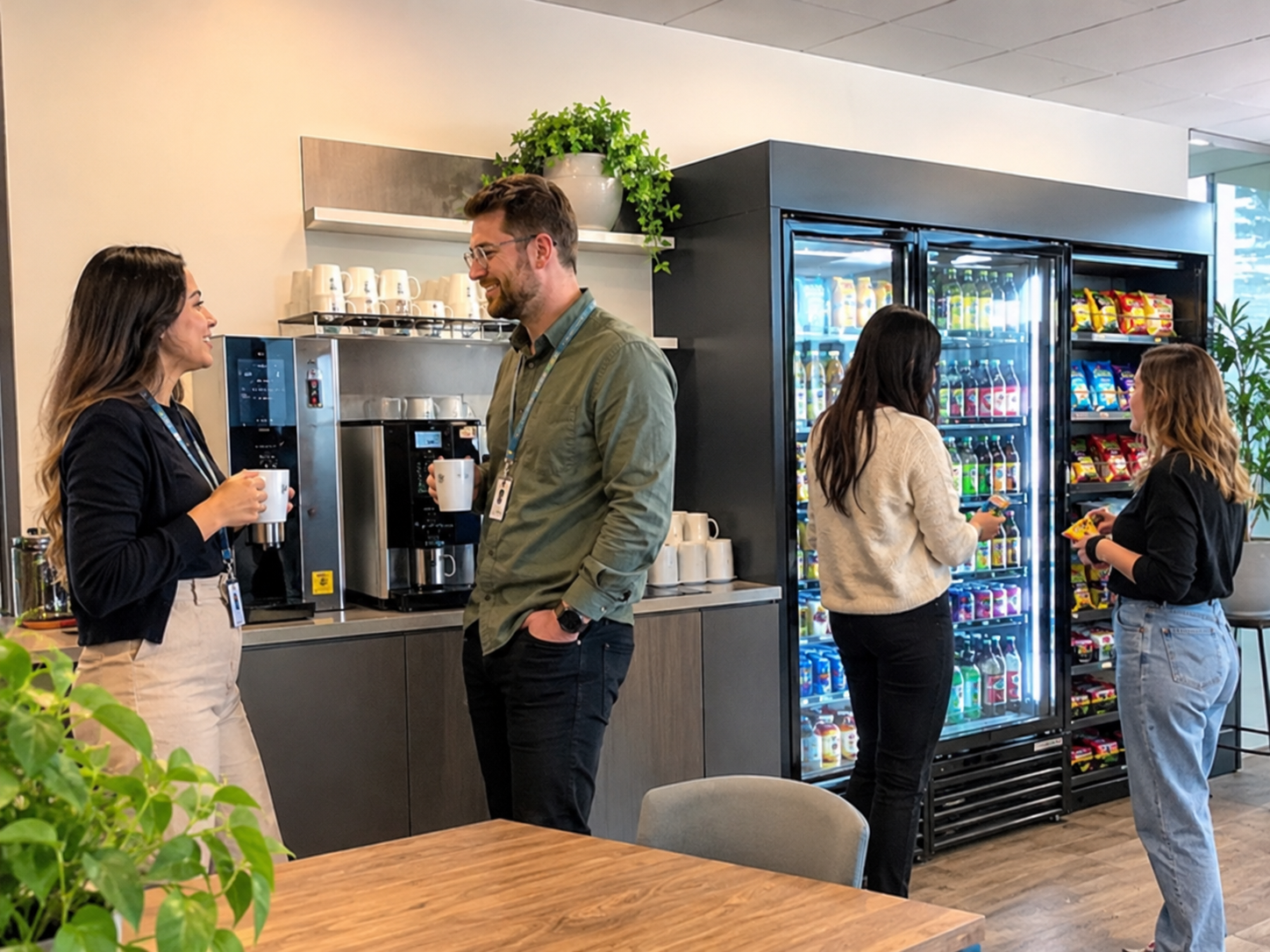
Recruitment tells candidates what an employer values. The first few weeks show whether those claims hold up. A new employee may remember promises about supportive management and a positive company culture, but their early impression also comes from everyday details: where to take a break, whether drinking water is accessible, and whether coffee and refreshments are available during their shift.
These facilities may seem minor, but they contribute to the daily employee experience. A well-managed breakroom cannot fix poor management or unclear expectations, but it can make the working environment more comfortable and practical. For HR teams reviewing onboarding and retention, understanding what employees experience outside their actual job responsibilities is worth the attention.
How Is Your Employer Brand Tested After the Offer?
An employer brand is the reputation and identity a company builds as a place to work. It is shaped by recruitment messages, company culture, management practices, and employees' actual experiences. Once someone accepts a job, the workplace itself becomes part of that promise.
For businesses in Nevada reviewing workplace facilities, vending machines in Las Vegas can be part of a wider refreshment arrangement that includes micro markets, office coffee, and pantry services. The important consideration for HR and facilities teams is whether these arrangements match employee numbers, working hours, and the needs of different departments.
What Do New Hires Notice During Their First Week?
The first week involves more than training sessions and introductions. New employees need to understand reporting structures, workplace procedures, communication channels, and the expectations attached to their roles. They also need to know how everyday facilities work.
A brief introduction to the breakroom, kitchen facilities, water stations, and refreshment options can remove unnecessary uncertainty. It helps new starters understand where they can take breaks and what facilities are available to them. These details become particularly important when employees work across different floors, departments, or locations. A new starter should not have to rely on informal conversations just to find basic workplace facilities.
Why Does Refreshment Availability Matter More Than Appearance?
A well-designed breakroom is useful only when employees can actually use it. Coffee equipment, vending machines, and snack stations need to remain available, clean, and properly maintained.
HR and facilities managers should consider these practical questions:
-
Are refreshments available during regular and extended working hours?
-
Can employees access drinking water without leaving the building?
-
Are different food and beverage preferences considered?
-
Is equipment stocked and maintained regularly?
-
Can employees report problems and receive a clear response?
A breakroom should be judged by its everyday performance rather than its appearance during an office tour. A coffee station that repeatedly runs out of supplies or a vending machine that remains empty during busy periods does little to support the working day.
How Should Employers Support Different Working Schedules?
Not every business operates on a standard office schedule. Hospitals, hotels, casinos, transport operations, and manufacturing facilities may have employees working overnight, weekends, and rotating shifts. A refreshment arrangement designed around a nine-to-five schedule can leave other employees with fewer options. This creates an avoidable difference in the everyday experience of people working for the same organisation.
Employers should review when different teams take breaks and whether facilities remain accessible. Restocking arrangements, equipment capacity, and product selection may need to vary by location. Involving department supervisors and employees in this review can help identify when supplies run out, which facilities are underused, and what changes would make the greatest practical difference.
Choosing Refreshment Services That Fit Different Workplace Needs
Workplace refreshment requirements vary according to business size, employee numbers, working patterns, and available space. A small office may only need a coffee station and a few snack options. At the same time, a large hotel or hospital may require several vending locations, micro markets, and regular service support.
SkyTop Vending serves the Las Vegas Valley with traditional vending machines, micro markets, office coffee, pantry programs, and water and ice solutions. These options illustrate how employers can select different arrangements instead of relying on the same equipment in every location. The goal is to choose a service that fits how people actually work, rather than installing equipment simply because it looks impressive.
What Should HR and Facilities Teams Check?
HR departments don’t need to manage vending equipment themselves, but they should have a voice in decisions that affect the employee experience. Facilities managers can handle operational requirements while HR teams provide insight into employee needs.
Before changing a workplace refreshment programme, consider this checklist:
-
Review shift patterns: Identify when employees use shared facilities and whether access differs between teams.
-
Ask for feedback: Include new starters and experienced employees when reviewing breakroom arrangements.
-
Check accessibility: Make sure shared facilities are easy to locate and reasonably accessible.
-
Review service responsibilities: Establish who handles cleaning, restocking, maintenance, and equipment problems.
-
Assess product choices: Consider different preferences without assuming every employee wants the same refreshments.
This process can be included in a wider workplace review rather than treated as a separate purchasing exercise.
How Can Employers Measure the Employee Experience?
Installing new equipment does not automatically improve the employee experience. Employers should review how facilities are used after changes are introduced. Feedback from different shifts can show whether refreshments remain available, whether equipment is convenient, and whether employees know how to report problems. Facilities teams can also monitor stock availability, maintenance requests, and recurring issues.
HR teams can include questions about workplace facilities in new-starter feedback sessions. Asking whether employees understand the available facilities or experienced problems during their first few weeks can reveal issues that might otherwise go unnoticed. A breakroom will not determine whether someone stays with an employer. However, convenient and accessible facilities can contribute to a better day-to-day experience. Paying attention to these details helps employers identify small problems before they become recurring frustrations.
Frequently Asked Questions
Does the workplace environment influence employee retention?
Yes, the workplace environment can contribute to employee satisfaction and the overall experience of working for a company. However, retention also depends on management, compensation, workload, career opportunities, and working conditions. Accessible facilities support the wider employee experience but cannot compensate for deeper organisational problems.
Why should employers consider breakroom facilities during onboarding?
New employees need to understand how their workplace operates, including where they can take breaks and access refreshments. Explaining these facilities during onboarding removes avoidable uncertainty and helps new starters become comfortable with their surroundings from the beginning.
What workplace amenities matter most to employees?
Commonly useful amenities include drinking water, coffee, food access, clean break areas, comfortable seating, and facilities available during different shifts. The right combination depends on the workforce. Employers should gather employee feedback rather than assume every department has identical needs.
How can businesses support employees working overnight shifts?
Businesses should review facility access, refreshment availability, restocking schedules, and maintenance arrangements outside regular office hours. Night-shift employees should have reasonable access to the same basic workplace facilities available to daytime teams.
Can workplace vending services support employee experience?
Yes. Well-managed vending services, micro markets, coffee stations, and pantry programmes can make food and refreshments easier to access. Their usefulness depends on reliable stocking, suitable product choices, equipment maintenance, and arrangements that reflect employee working patterns.