Recruitment pressure continues to be concentrated in Germany’s skilled trades, according to new analysis by Agility EOR drawing on the Federal Employment Agency’s 2025 skills-shortage data.
While the number of occupational categories classified as having skills shortages has fallen overall, roles in construction and finishing, plumbing, heating and air-conditioning, electrical work and mechatronics remain difficult to fill.
Pressure is concentrated in the trades
For plumbing, sanitation, heating and air-conditioning roles at skilled-worker level, there were around 1.1 registered job seekers for every registered vacancy in 2025. The ratio compares registered candidates with registered vacancies and does not indicate whether individuals are suitably qualified for the roles available.
Vacancies in the skilled trades took an average of 242 days to fill in 2025, compared with 167 days across all occupations, according to the Federal Employment Agency’s September 2026 analysis.
“Germany’s skills shortages vary considerably across the labour market, with the trades presenting particular challenges for employers. Businesses recruiting for construction, plumbing and other skilled roles can face lengthy waits to find the people they need.”
Scott Winter, Co-Founder and Chief HR Officer, Agility EOR
Infrastructure investment could add to demand
Germany’s €500 billion Special Fund for Infrastructure and Climate Neutrality is a 12-year programme supporting infrastructure modernisation, digitalisation and climate-neutrality objectives. As projects progress, demand for specialist workers could increase in areas where skills are already difficult to source locally.
Agility EOR says employers involved in these projects should assess their workforce and recruitment options early, particularly where roles require specialist qualifications or experience.
“With major investment going into Germany’s railways and wider infrastructure, businesses need to think about their hiring strategy early. Access to the right skills will be an important consideration for international companies planning to enter the market or take on new projects.”
Scott Winter, Co-Founder and Chief HR Officer, Agility EOR
Source note: Agility EOR analysis of the German Federal Employment Agency’s Skills Shortage Analysis 2025, Fachkräfteradar Deutschland data and September 2026 skilled-trades analysis.
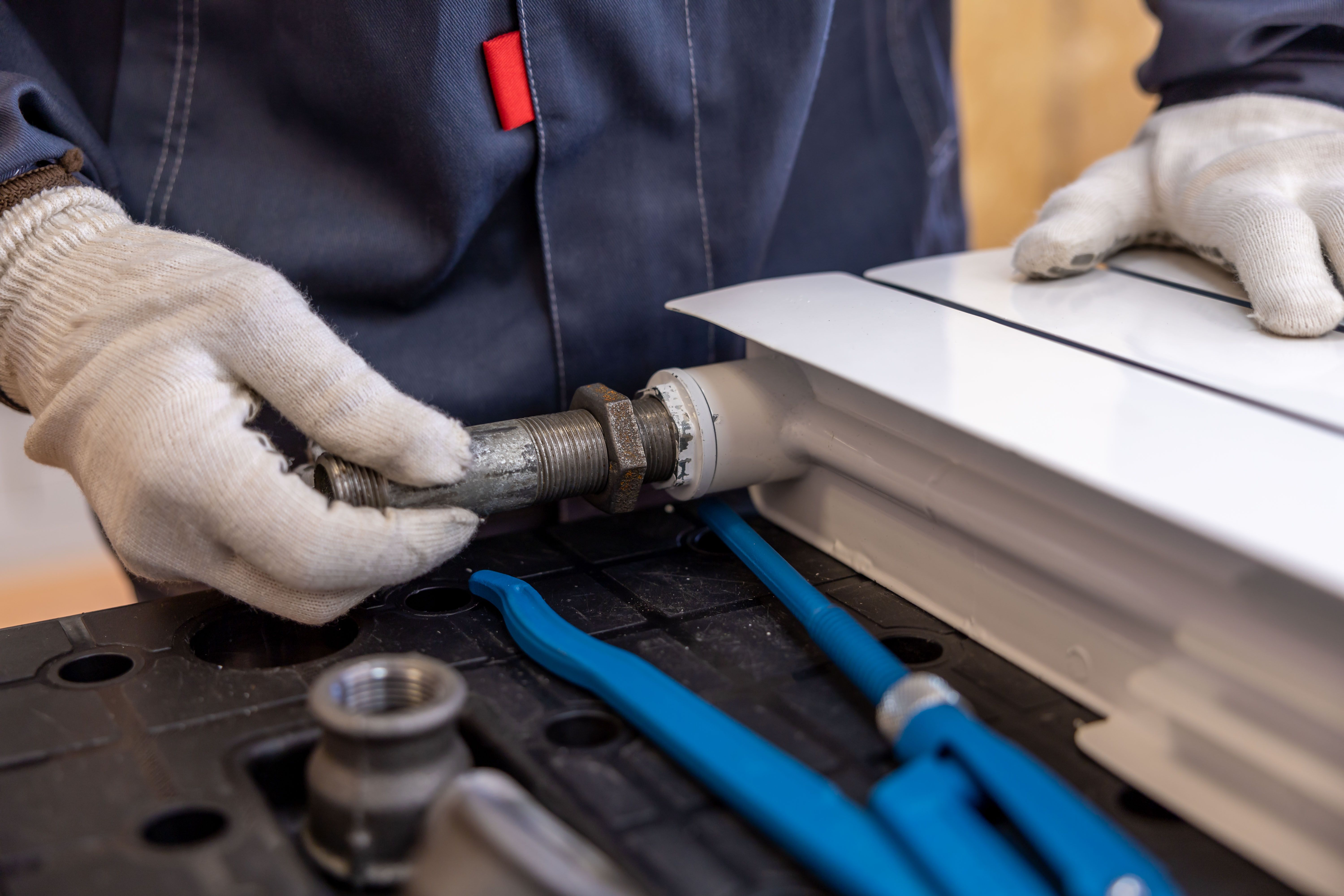
Lead image: Photo by Sergei Starostin via Pexels.