
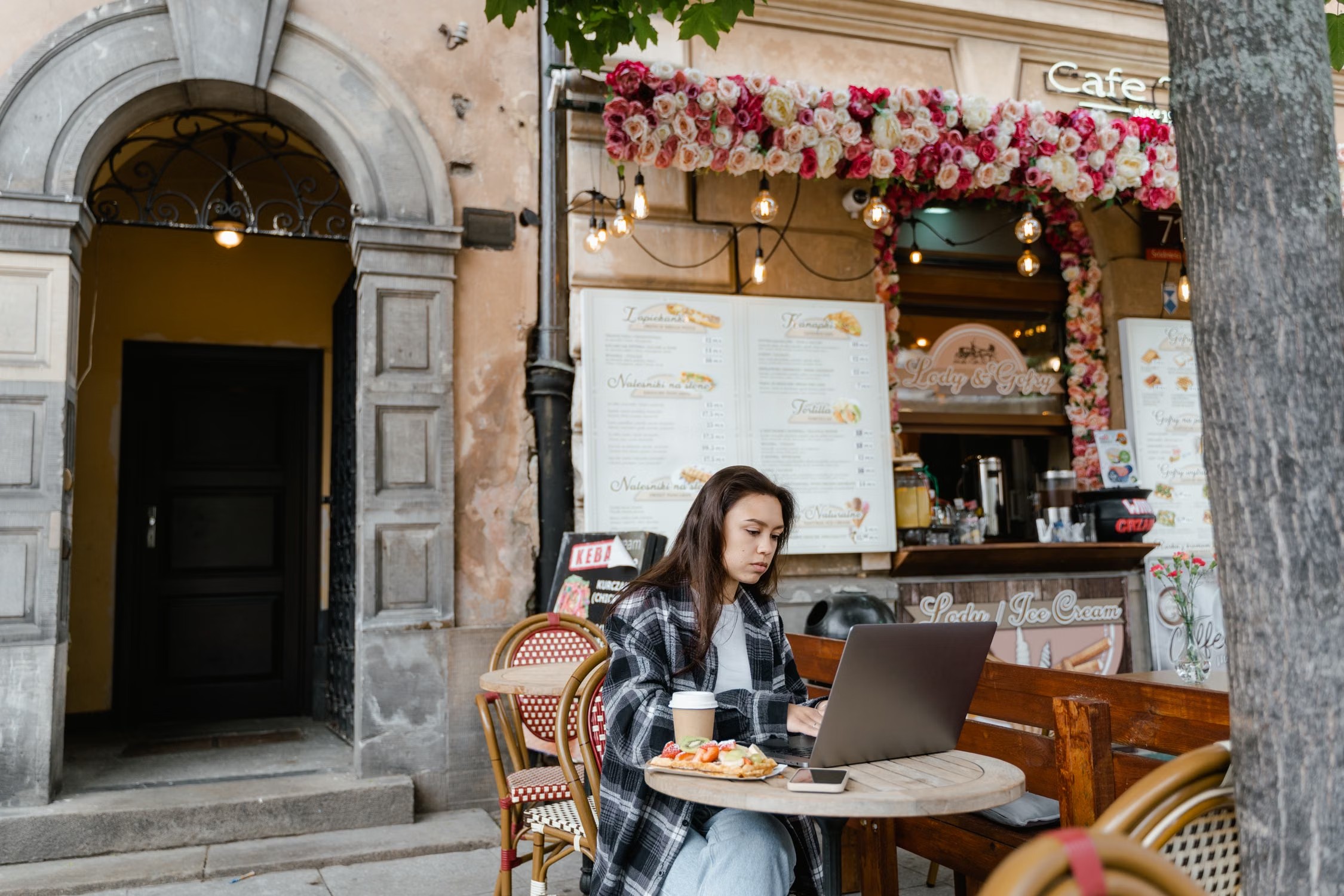
Flexibility and autonomy remain important reasons for women to choose freelancing, according to new research from Malt and the Association of Independent Professionals and the Self-Employed (IPSE). Seven in ten female freelancers surveyed expect to remain self-employed.
Some 62% of women cited flexibility, compared with 54% of men. Autonomy was cited by 54% of women and 49% of men, while creative freedom was important to 41% of women and 30% of men.
“The reality of AI is that it’s evolving faster than the rate of organisation transformation, and this is where independent experts play a vital role in bridging that gap.”
Vincent Huguet, co-founder and chief executive, Malt
The findings underline the importance of working arrangements when organisations seek experienced independent professionals. They also suggest that the appeal of self-employment goes beyond the rate paid for a particular assignment.
Among higher-income freelancers covered by the research, 75% expected to remain self-employed, 77% enjoyed their work and 63% said they earned more. These subgroup findings should not be read as results for every freelancer.
Malt co-founder and chief executive Vincent Huguet said independent experts could help organisations respond to fast-moving AI developments. IPSE managing director Vicks Rodwell also highlighted the value of flexibility in the context of return-to-office policies.
The findings are set out in the Future of Freelancing UK 2026 report.




