Hybrid working and new harassment laws should put employers on alert, says Gi Group – the UK’s leading HR and recruitment organisation.
With sexual harassment no longer something that predominantly happens in person and the development of an ‘always on’ remote working culture following the pandemic, recruitment and HR services organisation Gi Group is offering key advice for HR managers, and learning and development teams ahead the Employment Rights Act 2025 coming into force on 30 October 2026.
In a survey 26% of respondents reported experiencing increased harassment based on their gender while working remotely, while 60% of women have experienced sexual harassment at some point in their working lives (Unite the Union, 2025).
When the UK’s Employment Rights Act 2025 harassment law changes come into effect, employers will be required to take all reasonable steps to prevent sexual harassment and will be liable for harassment by third parties such as customers, clients, and the public.
Cindy Gunn, People Director at Gi Group, said:
“Employers need to take an all-encompassing view as to when and where sexual harassment might take place.”
Cindy Gunn, People Director, Gi Group
“Employers need to take an all-encompassing view as to when and where sexual harassment might take place. Many employers wrongly make provisions for it happening in person only and in today’s digital society, that would be a costly and devastating mistake to make.
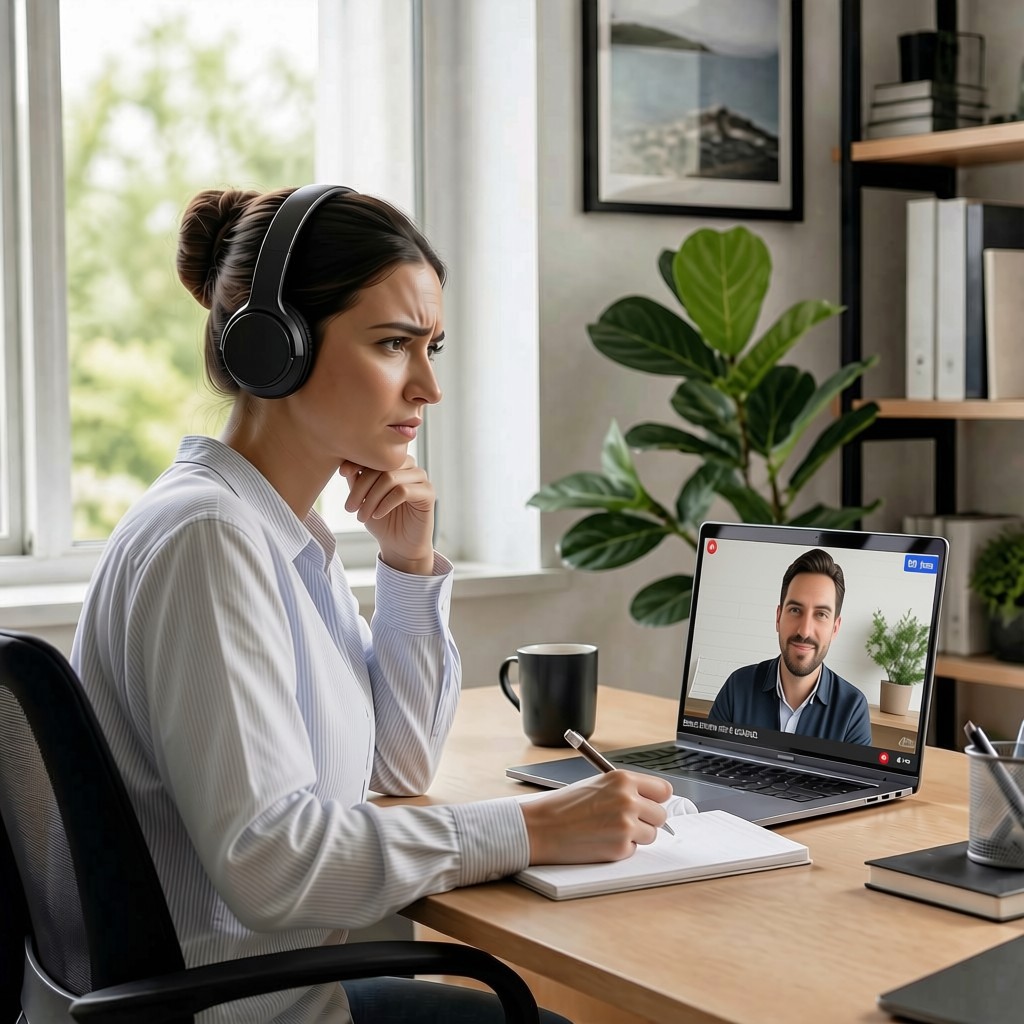
“Whether it occurs in person or online, workplace sexual harassment covers any unwanted advance, comment or conduct of a sexual nature. In remote and hybrid environments, that behaviour can surface through video calls, messaging platforms, email and social media, including inappropriate messages, images or interactions that have no legitimate work-related purpose.
“For HR, learning and development teams, the challenge is ensuring employees and managers can recognise how harassment manifests across digital channels. Explicit remarks, inappropriate messages and offensive material shared during virtual meetings may be clear-cut, but reduced contextual cues and greater scope for misinterpretation make practical, scenario-based training essential.
“Policies and learning programmes should therefore reflect the realities of hybrid work, set clear standards for online conduct and give managers the confidence to respond consistently.”
When preparing for the changes due to come into effect, Cindy says there are simple and practical steps employers can take:
- Set explicit standards for respectful conduct on video calls, messaging platforms and email, and reinforce them through induction and refresher training.
- Create clear reporting routes for remote and hybrid staff with secure communication platforms.
- Foster and actively promote values like diversity, equity, and mutual respect across the business
- Train managers and employees to recognise, report and respond to harassment across virtual and in-person settings.
- Review policies and conduct regular workplace risk assessments, drawing on specialist legal advice where appropriate.
Cindy added: “Since the pandemic accelerated remote and hybrid working, the boundaries of the workplace have fundamentally changed. Employees now interact with colleagues through video calls, messaging platforms and other digital channels - often from within their own homes.
“While that flexibility has brought benefits, it has also created new risks. Inappropriate behaviour can enter previously private spaces, continue beyond conventional working hours and become harder for managers to identify.
“Five years after the pandemic accelerated remote and hybrid working, the legal duty on employers to prevent sexual harassment is becoming more demanding. Organisations cannot rely on policies designed primarily for the physical workplace, particularly where those policies have not been reviewed since before 2021. Dignity at work, bullying and harassment, communications and workplace relationships policies must be considered together, supported by relevant training and applied consistently across every channel and working environment.”
Gi Group UK is headquartered in Chesterfield in the Midlands. Part of Gi Group Holding, the UK business employs close to 500 people in 2026 across 17 hub locations. Working across manufacturing, logistics, food and drink and many other sectors, Gi Group UK is committed to creating social and economic value for employers and candidates. For more information, visit: uk.gigroup.com.
About Gi Group UK
Gi Group Holding UK is the UK arm of Multinational HR services organisation Gi Group S.p.A based in Milan, Italy. In 2025, the UK business proudly employees close to 500 internal employees across its strategic and broad geographic network. With presence across 20 office locations and in excess of 50 embedded partnerships (SMS), where Gi is an extension of customer operations, the Group is uniquely committed to the creation of social and economic value for both employers and candidates alike. In the UK, the company places over 10,000 workers per week, placing a person into work, on average every 90 seconds. Called “More than Work”, the Group’s aims are two-fold: firstly, to ensure that employees experience enjoyable and life-changing work environments; and secondly, to enable a sustainable, streamlined, and harmonious labour market for employers and employees alike—one that reflects the ever-changing needs of candidates and companies. For more information about Gi Group in the UK, please visit: uk.gigroup.com.
About Gi Group Holding
Gi Group Holding, Gi Group UK’s parent company, is one of the world’s leading providers of services for the evolution of the labour market.
Through a global staffing and recruitment business ecosystem that counts four brands – INTOO, Marks Sattin, Grafton, Gi Group – the organisation provides a full suite of staffing and recruitment services. Gi Group Holding is active in more than 37 countries, with over 7,800 employees working across 650 branches. Through its key brands, the company provides a full and comprehensive suite of recruitment and HR solutions to more than 25,000 companies worldwide, generating revenues of €4.7 billion, and making it both the 6th largest recruitment and HR Services company in Europe, and the 11th largest globally.
Gi Group Holding offers a comprehensive array of services for recruitment and talent management through its four brands. INTOO facilitates career development, coaching, and outplacement initiatives; Marks Sattin specialises in finance, technology, legal recruitment and executive search related roles; Grafton's expertise lies in securing employment for qualified blue and white-collar professionals. Gi Group UK extends its temporary or permanent staffing for blue and white-collar workers, as well as semi-skilled professionals, reach throughout the United Kingdom. For more information about Gi Group Holding, please visit: www.gigroupholding.com