Images are not only competing with each other based on their quality or sharpness anymore. Product photography is also battling to leave an impression in terms of emotion and appeal. For example, the images of products winning consumers in 2026 have a “sense of life” about them. That’s why the so-called dynamic photography made its way to the forefront of visual marketing in today’s world.
Dynamic product photography does more than present products cleanly. It captures the vibe and energy around them, suggests a sense of place, and conveys intention, making the products feel familiar and part of everyday life.
In our ever-evolving landscape, where attention spans are shorter and people rely more on visual shopping than on traditional methods, static images are becoming less effective at holding attention. Therefore, when redefining 'what is product photography' today, we must understand that it is not just about showing an image accurately; it is also a way to create a mood and tell a story.
Throughout this guide, we'll look at how dynamic photography creates a higher level of imagery than before and how to create photos that attract interest, generate sales, and allow others to feel connected to your products through emotion.
What Makes a Product Photo “Dynamic”?
Not every styled image is dynamic. Yes, this is true because dynamic product photos create interest, and this can either be implied visually or exist literally.
The following are the key elements of dynamic product photography:
-
Photo Composition: Fluidity (liquids), linear movement (e.g., fabric blowing in the wind), high angle (e.g., product at 30°), and low angle with an upward tilt (e.g., product resting on a table). Dynamic photography creates a unique visual appearance that is more compelling than standard, static photography.
-
Depth and Layers: Using foreground and background objects to give a feeling of three-dimensionality.
-
Artistic Settings: Dynamic photography is usually viewed within an ‘artistic context’ (i.e., where real-life use occurs or shows that the product is aspirational).
-
Interaction with Light: High contrast (light and dark) creates dynamics between objects.
-
Purposeful Narratives: Dynamic photography is intended to present a direct impression, beyond simply displaying a product.
Static product images are taken to capture an accurate representation of the product through proper lighting and angle. However, by incorporating visual cues from movement, such as tilting bottles, cropping sneakers, etc., dynamic product photographers allow the viewer to visualize how the product will be utilized.
As a result, dynamic product photography shows a significant departure from traditional formats in terms of the purpose/rationale for creating such an image. Static photos inform their viewers about the item being photographed, whereas dynamic product photography provides an opportunity for brands to persuade their audiences to buy from them.
Styling Principles for Visual Impact
In dynamic photography, creative styling is what creates visual life. Without proper care for how products are styled, even the latest equipment or advanced lighting solutions will produce poor-quality work.
-
Starting with composition is key. Specific diagonals, symmetries versus asymmetries, and intentional use of negative space create momentum that brings people's eyes to the image. Composed product photographs often use symmetry to promote "templated" looks, while compositions using controlled asymmetries evoke feelings of energy.
-
Select props that carry a story. Each prop must contribute to telling a cohesive message that resonates with the viewer. In addition, abstracted textural elements allow for ideas of luxury through design or craftsmanship.
-
Choosing an appropriate background. This part is critical to retain the "energy" created by dynamic styling. Backgrounds often add depth to images. You can easily replace this element later through background remover software or other AI-based apps.
-
Emotion drives connection. The use of emotion creates a connection between your viewer and your product photographs. Most consumers may have no idea of how or why they are attracted to an image, but they feel it (the emotional connection). The use of clean lighting and few props suggests the idea of trustworthiness, while the use of strong contrasts and movement in an image implies a sense of innovation and spirit.
Tools and Equipment That Enhance Styling
Creating beautiful images does not require a big studio, but having the right tools allows you to experiment more freely and achieve consistent results.
The basis of everything is light.
-
The use of continuous LED lights allows you to manipulate shadows as you shoot. This is very beneficial for capturing subtle movements.
-
A softbox with a strip of light creates a directional highlight, and the use of grids helps eliminate unwanted light from a background.
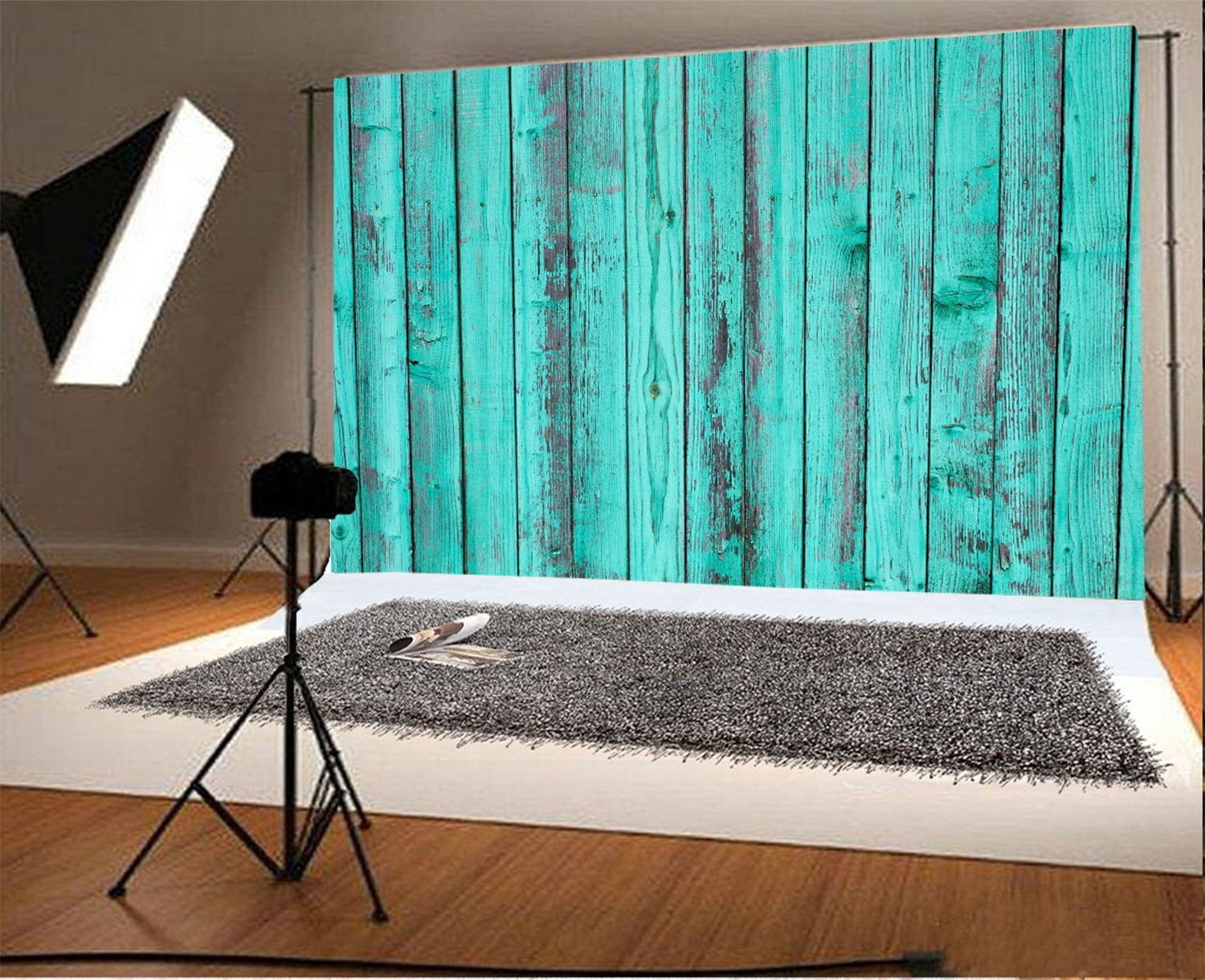
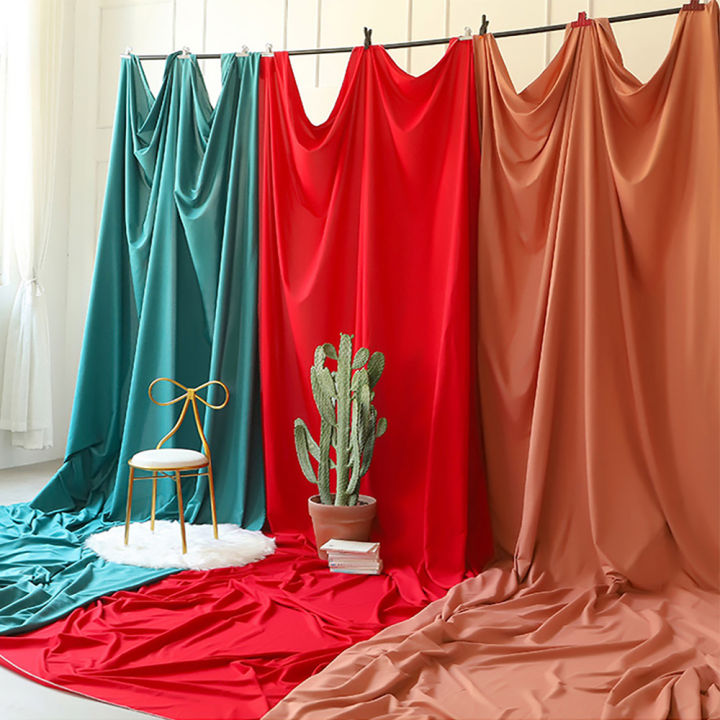
Most people do not place enough importance on backdrops.
-
Seamless paper is a great choice, but you can create more interesting and dynamic-looking images by using textured vinyl, painted boards, or fabric backdrops because they change how light interacts with your products.
Seamless paper Textured Painted Boards Fabric Backrops
For help with generating motion in your images, some simple tools can be used:
-
Rotating bases gives your images a subtle rotation.
-
Fans can be used for blowing fabric, hair, or ingredients.
-
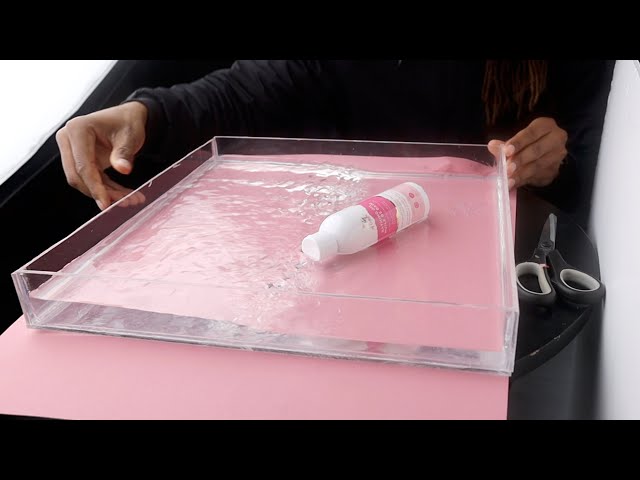
You can create floating images using transparent rigs, acrylic sheets, or fishing line.
Rotating Bases Fans Transparent Material
Moreover, your post-processing phase will give your photos energy without losing realism through the use of color grading, high-contrast images, and sharpness in selected areas. These last three things can help you enhance your output and strengthen your styling decisions.
If you are considering leveling up your product photography, always realize that tools will only strengthen your intentions, but will NOT create them for you.
Workflow Tips for Batch Product Styling
Taking just one great picture is pleasurable, but it’s the production of twenty consistent high-impact images where the value of a professional dynamic photographic workflow comes into play.
So, you need to familiarize yourself with these essential key points:
-
Always Plan. Group your products by size, shape, or color so that you can reuse lighting and prop setups. This will allow your images to stay cohesive as well as save time.
-
Make shot lists. Determine which images require heavy styling versus those that only need slight variations. Dynamic product photography develops a strategy of planning the “hero” shots first and then filling in the supporting angles.
-
Organize your props. Create groupings of props based on the scenes so that your transition between shots is seamless. This will help you to keep your creative focus when shooting long hours.
-
Shoot wider than you need. By shooting wider, you will have the flexibility to crop, resize, or adapt images to fit various platforms that require clean backgrounds or when you later need to remove background in batches for online marketplaces.
One of the most important product photography tips is to take quick reference images of your setups. This will ensure that on reshoots, you can easily replicate the same look and feel of your original images.
Case Studies: Brands Using Dynamic Styling Well
Brands utilizing dynamic product photography, regardless of industry, have one thing in common: clarity of purpose. The images produced by these brands not only depict their products or even simply promote them; rather, they tell a complete story that is in sync with both the brand's mission and the audience it serves.
Beauty Brand: Glossier
The way Glossier has approached its product photography is rooted in minimalism and shareability. The images often have a very clean and simple frame, as well as a playful composition that encourages viewers to share and repost them on social media. The strategic use of the staging process, along with how the products interact with their users (i.e., through the modest nature of the shoots), reinforces their brand's personality and enhances engagement with their target market. A sample of Glossier's photographic style is included in the following curated collection of their brand imagery:
Food: Ben and Jerry's
Ben and Jerry's demonstrates how high-quality product visuals enhance sensory appeal. The brand created a case study by Lyon Visuals focused on the retouching and compositing of their product imagery. They used this to refine the perceived details of the product by adding creamy textures and a precise lighting setup, making the products appear incredibly tempting and desirable while viewed online.
Additionally, they have begun to also use virtual photography (Adobe) to maintain the same level of visual impact, consistency, and quality throughout their entire line of products, especially given the dramatic changes made during the pandemic.
Tech/Lifestyle: Apple
Apple is often cited as the quintessential example of a company that uses a clean, minimalist style for its product images, reinforcing the company's strong focus on design precision and material quality. The company uses clean backgrounds and sharp, simple, easy-to-read typefaces for its official product images. Despite this uncluttered creative approach, the attention and detail devoted to capturing great images of Apple products has become a hallmark of the photographers who create iconic Apple product imagery.
Why this works:
Visual systems/images represent a strong commercial aspect of e-commerce. Reports show that businesses usingvisual merchandising strategies are experiencing increases in conversion rates of up to 189% as well as reductions in e-commerce cart abandonment. This data emphasizes that visuals aren't just added decoration, but they play a large role in how consumers make purchase decisions on the Internet.
Actionable Takeaway:
When creating dynamic product images, you should focus on one type of dynamic movement (like depth or dramatic lighting) and convey the movement purposefully. Remember, effective dynamic product imaging does not overwhelm; it clearly communicates the intended message about the brand and product being featured.
Common Mistakes and How to Avoid Them
As dynamic photography rises in popularity, so too does the chance of seeing mistakes made.
-
The most common mistake is to overstyle. Overusing props, colors, or textures can create confusing, jumbled images. Remember that dynamic photography does not need to be chaotic.
-
Another common pitfall is inconsistency throughout a campaign. A lack of unified styling across the entire campaign will create distractions for your audience. Maintaining unity and cohesion in your product photography will create trust with consumers.
-
Lighting imbalances in a photograph hide important details about the product and defeat the purpose of taking the photo. When creating dynamic images, you want them to showcase the product, not hide it from view.
The following checklist will help you stay on track:
-
Is the product clearly identified as the hero (main focus) of the photograph?
-
Is the motion captured in the photograph intentional?
-
Do the visuals connect?
Knowing how to view product photography from the viewpoint of creativity and marketing will help you achieve success. The ultimate goal is to create images that convey energy without sacrificing clarity. Among essential product photography tips, consistency is just as important as creativity.
Conclusion: Elevate Every Frame
Overall, visual quality is impactful on every brand's performance, and research indicates that products displayed with well-made photos produce an average of 33% greater conversion than those displayed with low-quality ones. This only illustrates that visual attraction affects more than just appearance; it is also part of a strategy to improve sales.
From here, visual branding will continue to grow and develop in the future. The usage of imagery that feels as if it is alive through dynamic product photography becomes a necessary service.
Again, dynamic product photography encompasses many elements, including, but not limited to, emotion, light, motion, and context. Therefore, brands and creators need to experiment with creative styles without losing intention and structure in their work. By coupling creativity with strategic direction, every image captured should communicate a message that connects with the audience and converts them into loyal customers.
At the end of the day, different industries may answer the question “what is product photography” in their own ways—but they arrive at the same truth. What were once seen as ordinary images are now powerful, modern, and compelling stories that shape perception and drive action. By continually refining your craft, understanding evolving trends, mastering the right tools, and pushing creative boundaries, every shot becomes an opportunity to communicate value and leave a lasting visual impact.