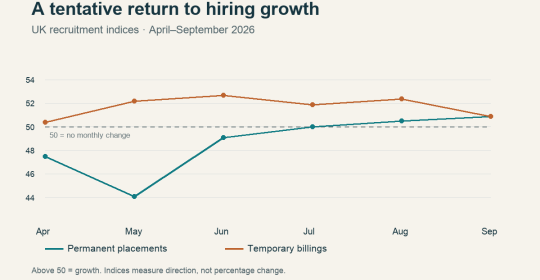
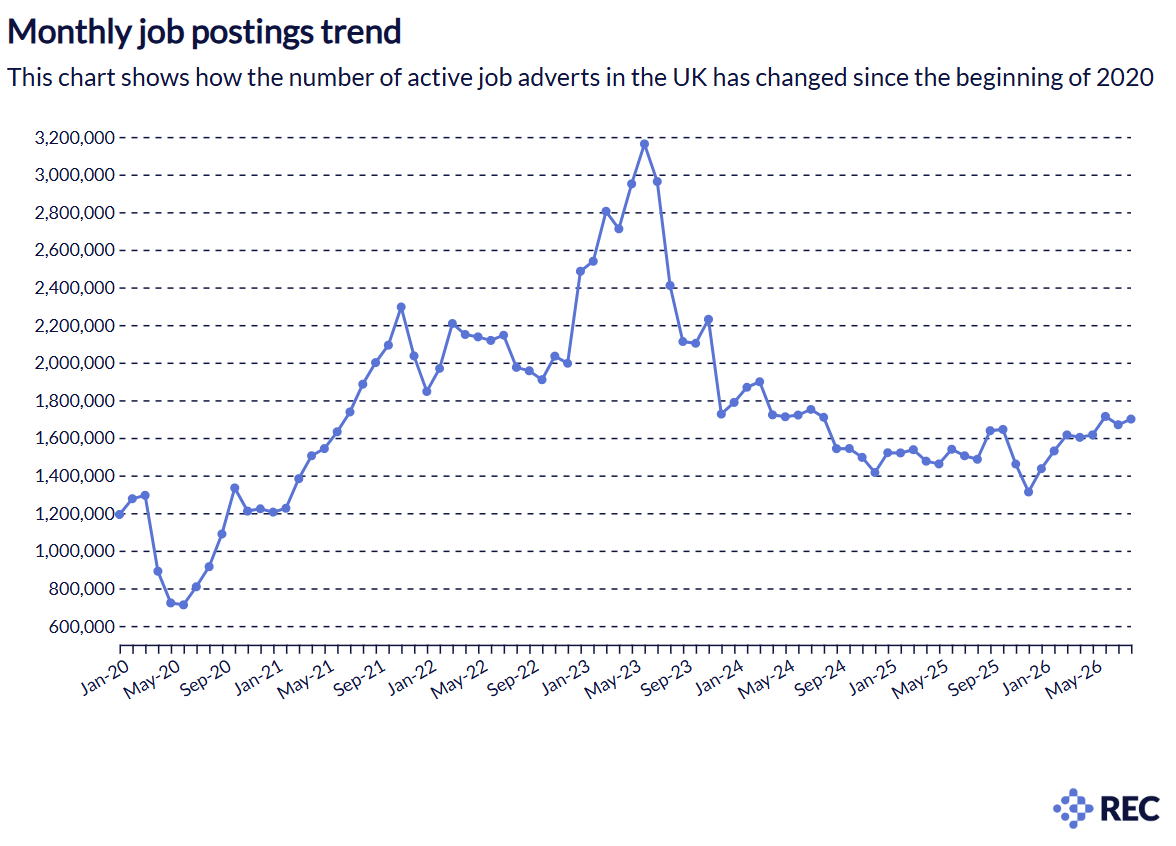
- The total number of active job postings in August was 1,699,589. This represents a 1.8% increase from July 2026, and a 10.4% increase compared with August 2025.
- There were 712,781 new job postings in August, representing a -1.9% drop from July, but a 3.6% increase year-on-year.
- The three Counties/Unitary Authorities with the largest increases in active job postings were Dumfries and Galloway (33.8%), Milton Keynes (31.7%), and Westminster (28.0%).
- Seven of the top 10 counties with the highest growth in active job postings between July and August were in Scotland.
- The three counties with the largest decreases in active job postings were West Sussex (North East) (-10.2%), Shetland Islands (-6.6%), and East Surrey (-6.6%).
- All Government Office Regions across the UK experienced growth in active job postings during August.
The total number of active job postings in August 2026 was close to 1.7 million. This is both an increase from July 2026 and an increase year-on-year. There were 712,781 new job postings in August 2026, representing a -1.9% drop from July, but a 3.6% increase year-on-year.
But it is disappointing to see new job postings fall for a second consecutive month. While the decline between July and August 2026 was marginal, it nevertheless suggests a hiring market that remains fragile and has long needed a shot of confidence to encourage employers to recruit and invest.
Maxine Bligh, REC’s Interim Chief Executive, said:
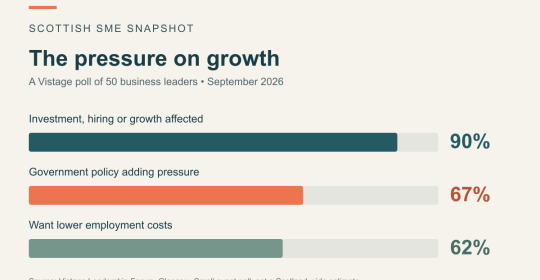
“The labour market is showing resilience against domestic and global strains. But the UK deserves a flourishing jobs market that delivers growth for businesses and more opportunities for workers. The latest job figures are a clear sign for the Chancellor that the labour market is resilient but needs stimulating to really kick on. A restoration of the Employer National Insurance threshold would be a big help. And a quick win would be a pared-back and more practical approach to the guaranteed hours proposals, which in their current form is a big threat to temporary work. Businesses are looking for a clear direction of travel from the Chancellor which shows that they are being listened to when they warn against the costly burden of over regulation.
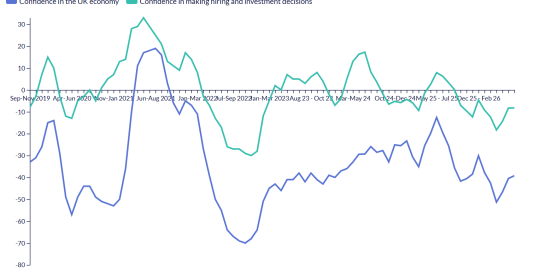
“This is not the time for government to take labour market growth for granted. Recruiters expect the hiring market to resemble a slalom course rather than a straightforward downhill run for the rest of 2026, demanding agility and careful navigation from employers. Hiring across many sectors is stable despite the unpredictability of energy and other business costs. But the unpredictable business environment means continued volatility in a handful of important sectors to the UK economy, such as finance and retail.
“Demand for manual and mid-skilled roles remains strong, creating opportunities for people looking to enter or move within the workforce. With the UK youth unemployment rate at more than 16%, today’s data shows there are opportunities available right now in retail, logistics, construction and home improvement, including roles such as large goods vehicle drivers, carpenters, joiners and plasterers.”
September's Labour Market Tracker shows that the occupations with the highest growth in active job postings between July and August 2026 were Delivery Drivers and Couriers (91.8%), Crane Drivers (42.9%), and Plasterers (40.7%).
In contrast, Clergy (-21.1%), Secondary Education Teaching Professionals (-22.3%), and Primary Education Teaching Professionals (-23.1%) experienced the largest declines in active job postings between July 2026 and August 2026.
Dumfries and Galloway (33.8%), Milton Keynes (31.7%), Westminster (28.0%), Moray (19.8%), and South Ayrshire (19.5%) recorded the largest increases in active job postings in August 2026.
Conversely, Gwynedd (-5.6%), North and North East Lincolnshire (-6.4%), West Sussex ( Northeast ) (-10.2%), Shetland Islands (-6.6%), and East Surrey (-6.6%) recorded the largest contraction in active job postings between July and August 2026.
The latest job figures are a clear sign for the Chancellor that the labour market is resilient but needs stimulating to really kick on.
Sectors:
This month’s Labour Market Tracker takes an in-depth look at the Healthcare, Finance and IT sectors.
Healthcare
Healthcare saw a total of 207,930 active job postings in August. This represents a 1.0% increase from July 2026, and a 6.9% increase compared with August 2025. Other than July 2026, which saw 205,903 active job postings, this is the highest number of active postings for healthcare-related occupations recorded in 2026.
The occupations that saw the largest growth between July and August were Houseparents and Residential Wardens (34.0%), Dental Nurses (15.4%), and Counsellors (13.3%).
The occupations that saw the largest declines between July and August 2026 were Health Associate Professionals n.e.c. (-5.3%), Registered Specialist Nurses (-9.8%), and Midwifery Nurses (-14.8%).
Finance
There was a total of 108,979 active job postings in Finance-related occupations during August 2026. This was 2.4% lower than July, but 10.6% higher than August 2025. Over the past year, finance job postings have experienced some volatility, although August 2026 remained higher than the year’s average, with only June 2026 and July 2026 recording higher levels of active job posts.
The occupations that saw the highest growth between July and August were Management Consultants and Business Analysts (3.7%), Collector Salespersons and Credit Agents (3.6%), and Finance Officers (2.1%).
The occupations that saw the largest contractions were Insurance Underwriters (-9.0%), Taxation Experts (-9.1%), and Financial Administrative Occupations n.e.c. (-11.7%).
IT
There was a total of 85,093 active job postings for IT occupations in August 2026. This was 1.3% lower than July, but 22.3% higher than August 2025. This was the second-highest month for IT active job postings, with only July recording a higher total.
The occupations that saw the largest growth in active job postings between July and August 2026 were Computer Systems and Equipment Installers and Servicers (5.9%), IT Project Managers (3.0%), and IT User Support Technicians (1.8%).
The occupations that saw the largest declines between July and August 2026 were Database Administrators and Web Content Technicians (-8.5%), Graphic and Multimedia Designers (-9.9%), and Information Technology Professionals n.e.c. (-15.8%).