
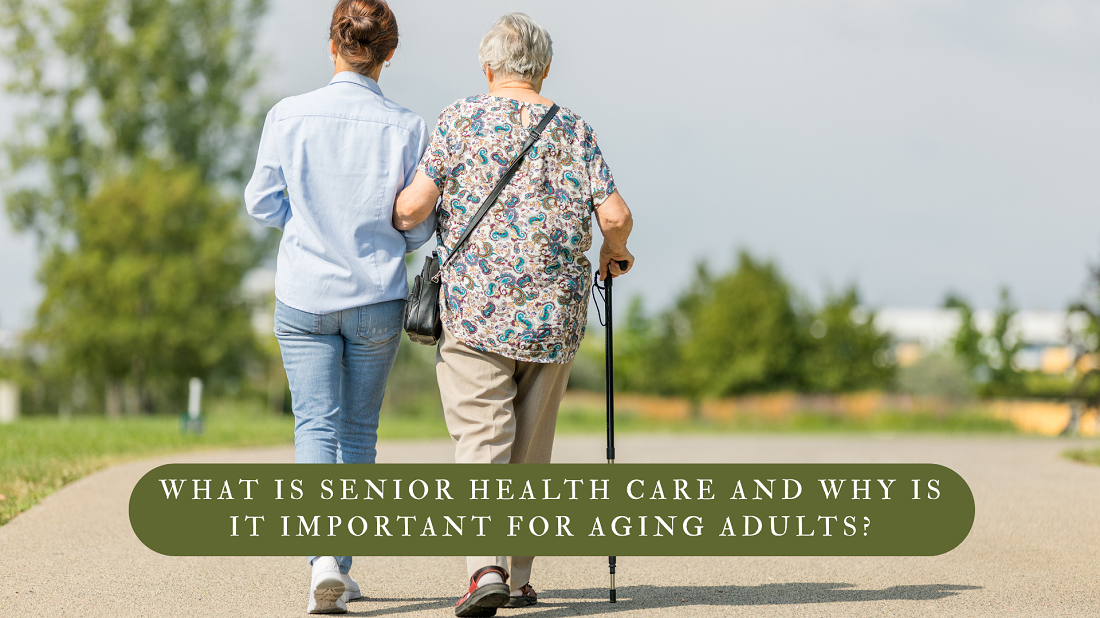
Aging is accompanied by new experiences and opportunities. The minds and bodies change. The healing process takes longer than usual. Balance might feel trickier sometimes. The memory may shift. It does not imply that life should slow down. Even an ordinary life, with the right support, can be fulfilling and happy.
Did you know that about 70 % of adults over age 65 will need some form of long‑term care in their lifetime?
The senior health care goes beyond treating the illness. It helps seniors stay active, keeps them independent, and connects them to the surrounding world. Sharing responsibilities makes life more rewarding and less stressful for caregivers and families alike.
Let’s take a closer look and learn everything about what senior healthcare is and why it's important for aging adults.
What Is Senior Health Care?
Senior health care refers to providing specialized support to elderly people. It focuses on guiding them on their physical, emotional, and daily living requirements so that they can live life to the fullest while growing. This care may be availed in the home, at the medical clinics, or in senior living facilities. Some aged people might require light assistance, such as reminders and companionship.
However, others might require hands-on care or medical treatment. The aim is to ensure that the care corresponds to individual needs and adapts accordingly as their needs grow or change with time. Senior health care also provides the family members with some time off, giving them assurance that their loved one is safe and supported.
What Senior Health Care Includes?
Senior health care encompasses a range of services that enhance normal living. The care teams observe the initial changes in their health. That prevents future problems, reduces the number of emergency visits, and unnecessary stress. Here is what a senior's health care includes:
➔ Frequent health examinations and assistance.
➔ Help with managing chronic health conditions.
➔ Assistance with daily tasks like bathing or getting dressed.
➔ Medication reminder and safety checks.
➔ Physical therapy or strength-building exercises
➔ Social activities and emotional support.
Types of Senior Health Care Services
Senior care varies in many ways depending on a person's needs. Each type including skilled nursing care, memory care assisted living, and hospice respite care makes the families and caregivers feel supported. Here are some common senior health care services:
Why Senior Health Care Is Important for Aging Adults?
The body reacts differently to illness and stress as you age. Healing takes longer. Balance becomes harder. Memory may change. Senior health care helps manage these shifts with personalized care.
The following are the main reasons why senior health care matters so much for seniors as well as to caregivers.
Promotes Health and Prevents Problems Early
Good senior health care pays attention to changes in health by conducting regular checkups and screenings. That helps detect problems before they become emergencies. This preventive measure reduces the risk of severe disease and the need for intensive care.
Supports Safe Daily Living
With changes in mobility, there is an increased risk of falls and injuries. The care teams strive to minimize risks, help with movement, and make the living spaces safer. This makes the seniors more confident and independent.
Helps Manage Medications and Chronic Conditions
Most elderly people take multiple medications or live with chronic conditions. Care professionals assist the elderly with following their medication regimens and performing daily activities. This enhances good health and eliminates complications.
Encourages Mental and Emotional Well-Being
Aging adults are concerned with social isolation and loneliness. The senior health care offers companionship and emotional support. Such interactions assist in keeping minds busy and spirits elevated.
Maintains Social Engagement and Purpose
Seniors engage in social activities, such as group events, and make frequent visits to the community. Being in touch with other seniors helps memory, mood, and overall fulfillment.
Gives Families Peace of Mind
It can be overwhelming when you have to care for seniors on your own. Thus, with professional assistance, families will be able to distribute responsibilities, thereby lessening stress. This enables the seniors to have more time for bonding and quality time.
Supports Independence Longer
The appropriate care is care that helps seniors stay involved in their daily lives. It also supports them in making decisions for as long as possible. This one-on-one care encourages independence. At the same time, it ensures seniors are not left to struggle on their own.
Enhances Overall Quality of Life
Senior health care is all about comfort, happiness, and fulfilling everyday life. Once the physical, emotional, and social needs of a senior are fulfilled, the elderly can enjoy their days fully.
How Senior Health Care Helps Every Day?
Senior health care is something that really makes a big difference. The right support makes caregiving less stressful and more balanced. Here’s how?
➔ Ensuring safer movement and reducing falls.
➔ Promoting healthy drinking and eating.
➔ Assistance with medication schedules.
➔ Offering social time and engagement.
➔ Being able to support emotionally on tougher days.
Choosing the Right Senior Health Care
Choosing the appropriate care might be overwhelming for you. Choosing the right care will support both the elderly and everyone involved live a better life every day. Take into consideration the following key things:
➔ Discuss with the senior their desires and comfort.
➔ Get a senior’s health review with a physician.
➔ Think about safety at home
➔ Take into account the time and energy of caregivers.
➔ Compare care options and prices to make informed decisions.
Conclusion
The health care of the seniors is far more than medical care. It is all about assisting the aged to live comfortably, dignified and confidently. It positively influences their physical and emotional health and quality of life in a way that makes the living experience as good as possible. Senior care reduces the strain on family members, allowing them to feel empowered, not intimidated. Thus, you can get an appropriate care plan for your family members to stay healthy, safe and get social engagement.
Get in touch with trusted communities for any kind of services like skilled nursing care, memory care assisted living, hospice respite care!












