Unlike a passenger car, these vehicles are comprised of two distinct units joined by a single pivot point. This design allows for the maneuverability needed on our busy roads.
However, this connection also introduces a significant risk of instability if the tractor and the trailer lose their alignment during a sudden move. When the drive wheels of the cab lock up while the trailer continues to move forward, the entire rig begins to fold. It is a very dangerous and violent loss of control.
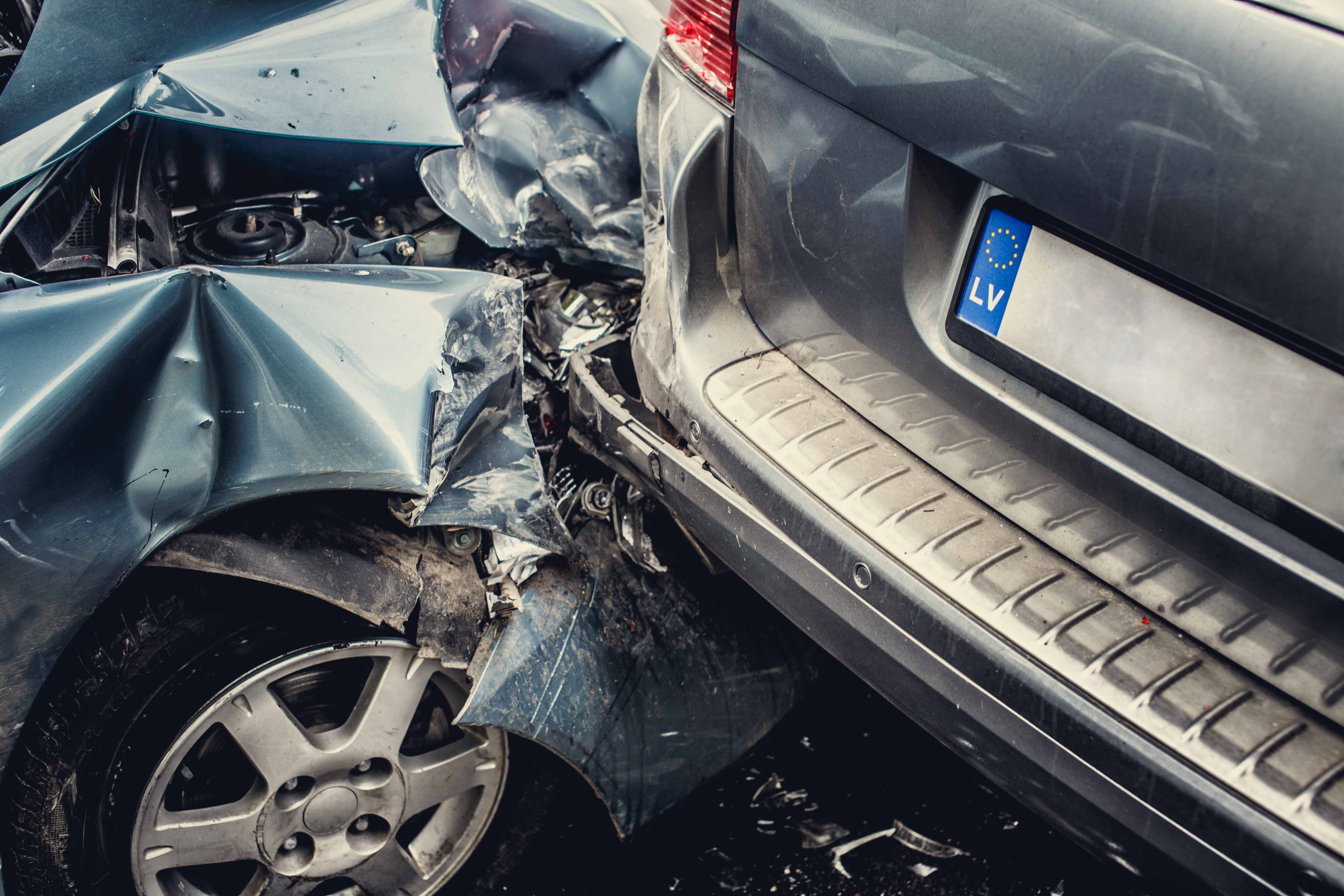
This mechanical failure creates a "V" shape that often sweeps across multiple lanes of traffic and strikes other unsuspecting vehicles. Understanding the mechanics of these events is the first step toward preventing the high occurrence of jackknife accidents. Staying informed helps promote safety for every single driver on the highway.
The Role Of Improper Braking Techniques
The primary trigger for a trailer to swing out of alignment is the improper application of the brakes during a high speed maneuver. If a driver slams on the pedal too hard, the wheels on the tractor may lock while the trailer maintains its original momentum. This force pushes the rear unit forward.
As the trailer moves faster than the cab, it seeks a path of least resistance by pivoting around the fifth wheel connection point. The driver then loses the ability to steer the vehicle effectively as the cab is pushed sideways by the weight. It is a catastrophic mechanical and physical chain reaction for everyone.
Proper braking involves a gradual application of pressure to ensure that both units slow down at a consistent and balanced rate during the trip. Inexperienced operators often panic during an emergency and make this fundamental mistake that leads to a crash. Training and focus are the keys to avoiding these dangerous events.
Environmental Factors Rain Ice And Speed
The condition of the road surface plays a critical role in the amount of friction available to keep a rig traveling straight. Rain, ice, and snow significantly reduce the traction of the tires, making it much easier for a trailer to slide out of position. Slippery paths require a much higher level of care.
Excessive speed is the factor that magnifies these environmental risks and reduces the time a driver has to react to a hazard. When a heavy rig moves too fast for the conditions, the centrifugal forces during a turn can easily overcome the grip of the tires. This leads to a slide.
Maintaining a safe following distance and adjusting speed for the weather are essential habits for every professional operator on the public road today. By respecting the limits of the environment, a driver can prevent the momentum of the trailer from becoming an uncontrollable force. Caution is the foundation of a safe arrival.
Negligent Maintenance Of Anti Lock Braking Systems
Modern commercial vehicles are equipped with sophisticated anti lock braking systems designed to prevent the wheels from seizing up during a sudden stop. These sensors monitor the speed of every wheel and adjust the braking force in real time to maintain stability. This technology is a vital safety net for drivers.
However, if the sensors or the mechanical components of this system are not maintained properly, they can fail when they are needed most. Trucking companies that ignore the warning lights on the dashboard are allowing a dangerous defect to remain on the highway. This neglect puts every other driver at a significant risk.
Regular inspections and immediate repairs are required by federal law to ensure that these life saving systems are always functional during a trip. Proving that a company failed to maintain the brakes is a primary part of any legal investigation. Safety depends on a commitment to rigorous and very consistent equipment maintenance.
The Scope Of Multi Lane Obstructions
When a large tractor trailer folds into a jackknife position, it often becomes a massive physical barrier that blocks every direction of travel. The length of the rig is enough to span several lanes of a highway, making it impossible for others to avoid a strike. This creates a massive pileup.
Drivers following behind the rig often have no time to stop before they impact the side of the trailer or the cab. These secondary collisions involve high speeds and multiple vehicles, leading to a much higher rate of injury and trauma. The chaos of a blocked highway is a major safety concern.
Clearing these obstructions requires specialized heavy duty towing equipment and can take several hours to complete for the local authorities and crews. This delay impacts the flow of commerce and creates additional hazards for the surrounding area. A single loss of control has a massive and very wide reaching impact.
Assigning Liability To Drivers And Carriers
Identifying the party responsible for a jackknife collision involves a thorough review of the driver's actions and the company's maintenance habits. Investigators look at the data from the vehicle's computer to see the speed and the braking patterns in the moments before the crash. This data provides the objective truth.
If the driver was speeding or utilized the wrong technique, they may be held liable for the resulting damage and the injuries. Additionally, the trucking firm shares the responsibility if they forced the operator to work excessive hours or ignored brake issues. Proving negligence requires a look at every single fact.
Securing a fair settlement provides the resources needed for medical care and the long term well being of the survivors and families. It is a complex legal path that requires a commitment to the facts and the law. Justice is served after jackknife accidents. Reaching a final resolution offers closure for everyone.