

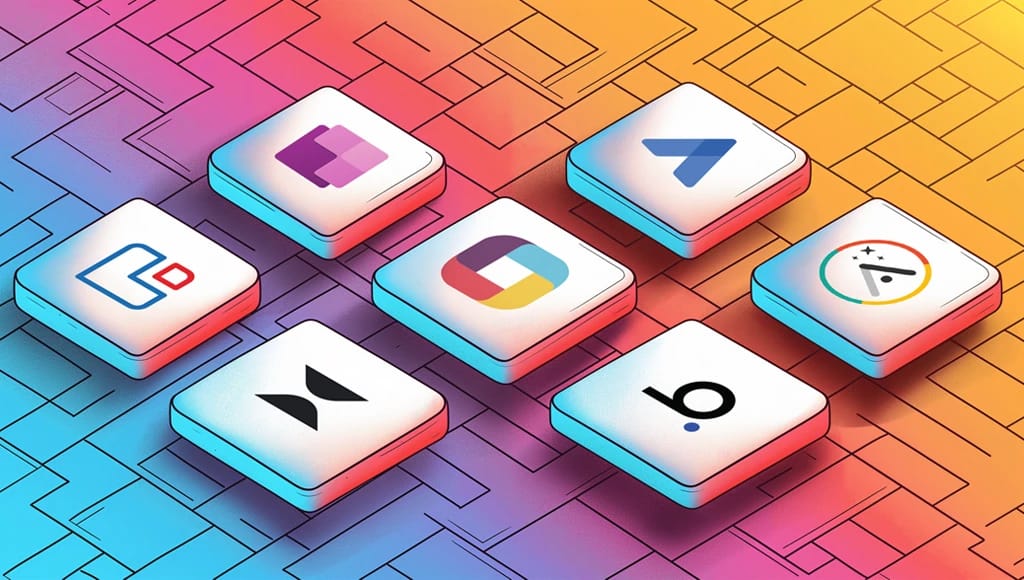
In today’s fast-paced business environment, human resources teams are under increasing pressure to manage recruitment, employee engagement, and administrative workflows efficiently. Traditional HR tools often struggle to keep up with evolving organizational needs, leading to bottlenecks and inefficiencies. Low-code and no-code app builders, like Glide, have emerged as a solution to these challenges, allowing HR teams to create custom applications without extensive programming knowledge. However, while Glide offers significant flexibility, many organizations are seeking a more tailored or robust option. This has fueled the search for a reliable glide app builder alternative that can optimize HR operations without compromising functionality.
Why HR Teams Are Turning to App Builders
HR departments handle a variety of critical tasks, including recruitment, onboarding, performance tracking, and employee engagement. Each of these processes involves extensive data management and coordination between multiple stakeholders. App builders enable HR teams to consolidate these tasks into a single digital platform, reducing errors and enhancing productivity.
For example, recruitment managers can design custom applications to track candidate progress, schedule interviews, and store documentation in one place. Onboarding specialists can create apps that guide new employees through training modules, policy acknowledgments, and task checklists. Performance management apps can automate feedback collection and performance reviews, saving time for HR teams and department heads alike.
Despite the benefits, some organizations find Glide’s capabilities limiting, particularly when advanced workflow automation, integrations with third-party HR systems, or enterprise-level security is required. In such cases, exploring a glide app builder alternative may be the best solution.
Key Features HR Teams Should Look For
When evaluating app builder alternatives, HR teams should consider several critical factors:
➔ Customizability
A good app builder should allow teams to create applications that fit their specific HR processes. This includes drag-and-drop interfaces, workflow automation, and the ability to adjust templates to reflect company policies.
➔ Integration Capabilities
HR systems rarely operate in isolation. The ability to integrate with existing HR software, payroll systems, applicant tracking systems (ATS), and communication platforms ensures seamless data flow and reduces duplication of effort.
➔ Data Security and Compliance
HR departments handle sensitive employee data, making security a top priority. An ideal app builder should offer encryption, role-based access controls, and compliance with relevant regulations such as GDPR and HIPAA.
➔ Scalability
As organizations grow, HR processes become more complex. A scalable app builder can accommodate increasing data volumes and additional modules without compromising performance.
➔ Ease of Use
Not all HR professionals are tech experts. An intuitive interface, robust documentation, and responsive support are essential for adoption and effective usage.
Top Glide App Builder Alternatives for HR
Several app builders have emerged as strong alternatives to Glide, each offering unique features tailored to HR needs. Here’s a look at some of the most effective options:
1. Airtable
Airtable combines the simplicity of spreadsheets with the functionality of a database, making it a powerful tool for HR teams. Its flexible grid, gallery, and calendar views allow users to manage candidate pipelines, onboarding schedules, and internal workflows efficiently. Airtable also offers numerous templates specifically designed for HR operations, and its automation features can trigger notifications, assign tasks, or update records based on predefined rules.
One key advantage of Airtable is its robust integration ecosystem. It connects seamlessly with popular HR platforms, email tools, and productivity apps, ensuring smooth coordination across departments.
2. Zoho Creator
Zoho Creator is a low-code platform that allows HR teams to build custom applications with minimal technical expertise. Its drag-and-drop interface, prebuilt HR templates, and workflow automation make it suitable for a range of HR functions—from recruitment to leave management.
Zoho Creator stands out for its advanced reporting and analytics capabilities, enabling HR managers to track employee performance, monitor attrition, and identify trends. With mobile accessibility and cloud-based deployment, HR teams can manage processes anytime, anywhere.
3. AppSheet
AppSheet, a Google Cloud product, empowers HR teams to create mobile and web apps directly from spreadsheets or databases. This is particularly useful for organizations looking to digitize paper-based workflows such as attendance tracking, employee surveys, and training logs.
AppSheet’s strength lies in its data-driven logic, which allows automated actions based on user input or pre-set rules. It also supports integrations with cloud storage services, collaboration tools, and HR software, making it a comprehensive glide app builder alternative for teams seeking more control and customization.
4. Microsoft Power Apps
Microsoft Power Apps is an enterprise-level low-code platform that integrates seamlessly with the Microsoft ecosystem, including SharePoint, Teams, and Dynamics 365. HR departments in organizations already using Microsoft products can leverage Power Apps to streamline recruitment, onboarding, and employee self-service processes.
Power Apps supports advanced logic, AI integration, and custom connectors, providing a scalable solution that grows with the organization. Its security features and compliance with industry standards make it a reliable choice for HR teams handling sensitive employee data.
5. Kissflow
Kissflow is a workflow-centric app builder designed to automate business processes. For HR teams, it offers prebuilt solutions for recruitment, onboarding, performance appraisals, and leave management. Kissflow’s visual workflow editor simplifies the creation of complex processes, and its reporting capabilities provide actionable insights into HR operations.
Kissflow also emphasizes collaboration, allowing multiple stakeholders to contribute to HR processes without relying on manual communication. This reduces bottlenecks and ensures transparency across departments.
Benefits of Using App Builders in HR
The adoption of a suitable app builder offers multiple advantages to HR teams:
➔ Improved Efficiency
Automating repetitive tasks such as scheduling interviews, sending reminders, or updating records frees up HR professionals to focus on strategic initiatives.
➔ Enhanced Employee Experience
Custom apps provide employees with easy access to information, self-service options, and interactive onboarding experiences, improving satisfaction and engagement.
➔ Data-Driven Decision Making
App builders generate analytics and reports that help HR leaders monitor performance, track hiring metrics, and identify areas for improvement.
➔ Cost Savings
Streamlining processes reduces manual labor, minimizes errors, and improves productivity, ultimately leading to cost savings for the organization.
➔ Flexibility and Scalability
Low-code platforms allow HR teams to adapt quickly to changing organizational needs, whether that involves onboarding new departments, implementing new workflows, or scaling across multiple locations.
Choosing the Right Glide App Builder Alternative
Selecting the right platform depends on organizational size, existing technology stack, and specific HR requirements. Smaller organizations might prioritize ease of use and affordability, while larger enterprises may need advanced automation, integration capabilities, and enterprise-level security.
HR leaders should evaluate platforms through pilot programs, testing key workflows to ensure the solution meets practical needs. Feedback from employees and HR staff during testing can highlight usability issues and identify features that provide the most value.
Moreover, it’s important to consider the long-term roadmap of the chosen platform. Solutions that continuously update features, maintain integrations, and support emerging technologies ensure that HR teams stay competitive and future-ready.
Real-World Applications
Consider a mid-sized company looking to improve its recruitment process. By adopting a glide app builder alternative such as Zoho Creator, the HR team can build an app that tracks applicants from initial contact through interviews and onboarding. Automated notifications alert hiring managers when candidate feedback is required, and dashboards provide real-time insights into recruitment metrics. This reduces administrative overhead, accelerates hiring, and improves the candidate experience.
Similarly, a healthcare organization could use AppSheet to digitize employee training records and certification tracking. HR staff no longer need to manage spreadsheets manually, and employees receive timely reminders for mandatory training updates, enhancing compliance and reducing risk.
Future of HR App Builders
The future of HR app builders is promising. As artificial intelligence and machine learning continue to evolve, these platforms will offer more predictive capabilities, such as identifying top talent based on historical hiring data or predicting employee turnover risks. Integration with emerging technologies, including chatbots and virtual assistants, will further enhance employee engagement and self-service functionality.
Organizations that invest in the right glide app builder alternative today will be better positioned to adapt to changing workforce demands, streamline operations, and maintain a competitive edge in talent management.
Conclusion
Low-code and no-code app builders have transformed how HR teams manage workflows, recruitment, and employee engagement. While Glide is a popular option, organizations looking for additional flexibility, advanced features, or enterprise-grade security are exploring alternatives. Platforms like Airtable, Zoho Creator, AppSheet, Microsoft Power Apps, and Kissflow offer a range of capabilities tailored to HR needs.
By adopting the right platform, HR departments can improve efficiency, reduce administrative burdens, and deliver a better employee experience. As the HR landscape continues to evolve, leveraging technology through a glide app builder alternative is not just a trend—it’s becoming a necessity for organizations seeking to remain agile, efficient, and competitive.


