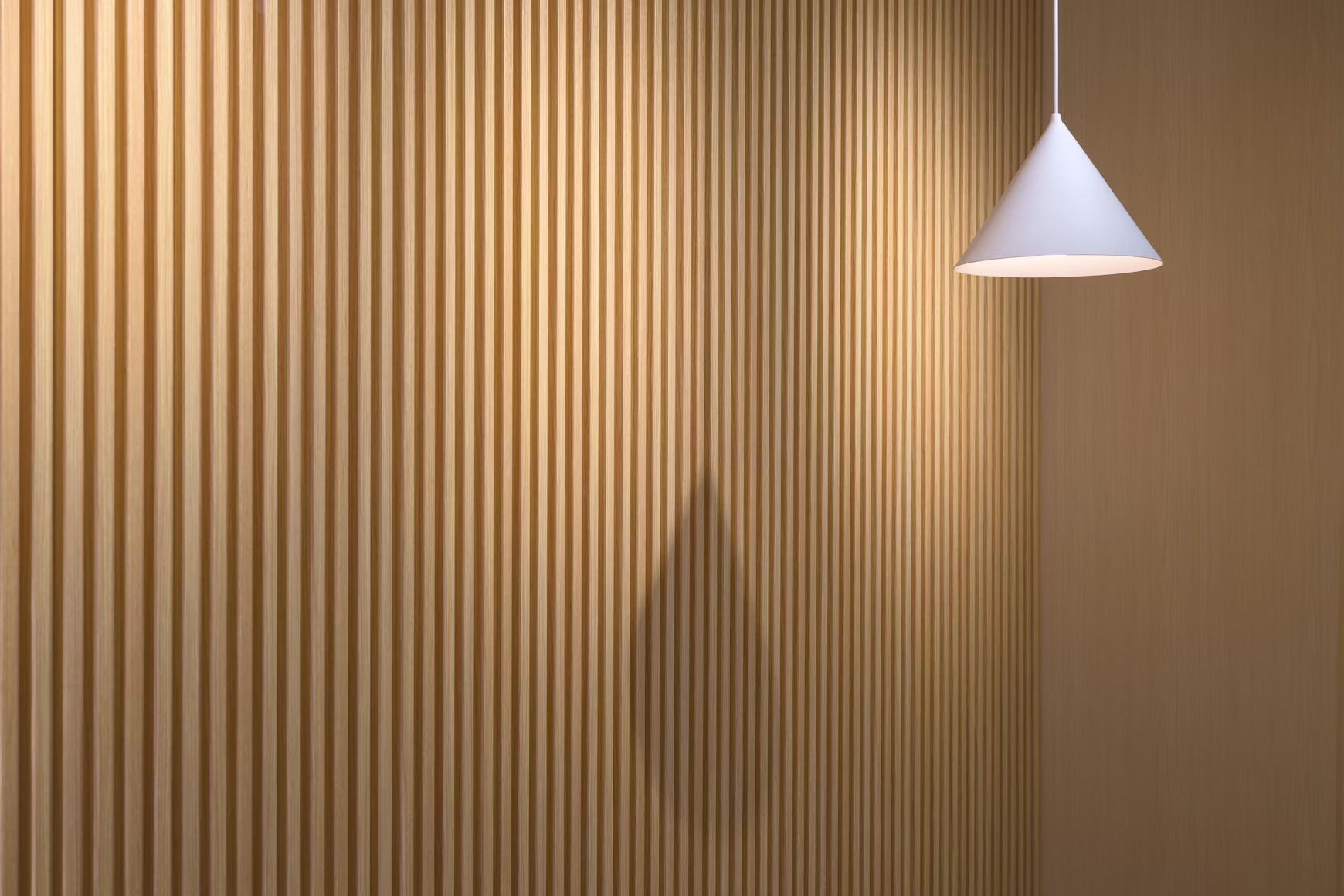
Acoustic wood panels appear in many modern interiors where sound control matters. These panels serve a practical function while shaping the visual character of a room. They are used across homes, offices, schools, and public buildings where sound behavior affects comfort and communication.
The growing interest in interior comfort has placed attention on materials that manage noise without removing visual appeal. Acoustic wood panels meet both needs through a combination of surface design and sound-handling layers.
What Acoustic Wood Panels Are
Acoustic wood panels are wall or ceiling coverings designed to influence how sound moves within a space. Often referred to as acoustic panels wood solutions in interior design, each panel combines a wood surface with a backing layer that absorbs sound energy. The wood layer may come in slats, perforated sheets, or veneer finishes, depending on design requirements.
Sound waves that strike hard surfaces tend to bounce back into the room. This reflection creates an echo and reduces clarity. Acoustic wood panels reduce this effect by breaking up and absorbing parts of the sound wave. The result is a space where speech and audio feel clearer and less strained.
How They Manage Sound
Sound behaves differently depending on the materials it meets. Hard surfaces reflect most sound energy. Softer layered materials reduce reflection by trapping part of the wave energy within internal fibers or foam structures.
Acoustic wood panels combine these two behaviors. The visible wood surface shapes the aesthetic of the space, while hidden backing layers handle sound absorption. Slatted designs allow sound to enter gaps where it is reduced before returning into the room at lower intensity.
Rooms fitted with these panels often experience reduced echo and better speech clarity. This effect becomes noticeable in spaces with open layouts or high ceilings.
Visual and Design Value
Wood introduces natural texture into interiors. Grain patterns, tones, and finishes provide variation across different panel styles. Light woods create a soft and airy impression. Darker tones introduce a stronger visual presence.
Acoustic wood panels are often installed as feature surfaces. A single wall can shift the character of a room without changing its structure. Designers use them in both minimal and detailed interiors because they blend with a wide range of materials such as glass, metal, and stone.
The arrangement of slats or perforations can form repeated patterns that give order to a surface. This structured appearance allows panels to function as both sound treatment and design feature.
Installation and Placement
Placement affects how well acoustic wood panels perform. Sound waves tend to gather near reflective surfaces, corners, and long flat walls. Installing panels in these zones helps control reflections across the room.
Ceiling installation is common in spaces where wall coverage is limited. Vertical placement works well behind seating areas, meeting tables, or entertainment systems. The position depends on room shape, furniture layout, and sound sources.
Panel thickness and spacing influence performance. Thicker panels tend to reduce a wider range of frequencies. Narrow slat spacing changes how sound enters the absorption layer. Room size guides the selection of panel dimensions, since larger areas require broader coverage for balanced results.
Design Flexibility and Customization
Acoustic wood panels come in a range of formats that support different design goals. Some installations use continuous wall coverage. Others use smaller sections arranged in patterns or framed sections.
Custom fabrication allows variation in slat width, spacing, and finish. Panels can follow curved walls or fit irregular surfaces. This flexibility supports both functional and decorative planning.
Certain spaces use panels as artwork-like installations where sound control and visual structure combine. In these cases, panels form part of the interior identity rather than acting only as surface treatment.
Environmental Considerations
Wood used in acoustic panels often comes from managed sources where replanting and controlled harvesting take place. This supports responsible material use in construction and design.
The layered structure of panels allows efficient use of materials. Thin wood veneers are paired with lightweight acoustic cores, reducing the need for solid timber blocks. This approach limits material waste while still delivering performance.
Some panel systems are designed for reuse or recycling. Components can be separated at the end of their use cycle, which supports more efficient material handling in renovation projects.
Applications in Different Spaces
Residential interiors use acoustic wood panels in living rooms, home theaters, and bedrooms where sound reflection affects comfort. These spaces benefit from clearer audio during media use and quieter ambient conditions.
Workplaces apply panels in meeting rooms, open offices, and conference areas. Speech clarity plays a key role in communication. Panels help reduce overlapping noise that often occurs in shared work environments.
Educational buildings use acoustic treatment in classrooms, lecture halls, and libraries. Clear sound supports learning and focus, especially in rooms with large groups.
Public buildings such as airports, transportation hubs, and exhibition halls use acoustic wood panels to manage background noise. Large open spaces often produce constant sound movement, and controlled surfaces help reduce overall noise buildup.
Conclusion
Acoustic wood panels combine sound control with surface design in a single material system. Their layered structure reduces echo while wood finishes introduce texture and visual balance to interiors.
Different environments use these panels for different needs, from improving speech clarity in offices to shaping calm listening spaces in homes. Their adaptability allows use across many architectural styles and room sizes.
Ongoing improvements in design and material engineering continue to expand how these panels function within modern interiors. Their role in shaping sound behavior and interior appearance remains central in spaces where comfort and clarity are priorities.