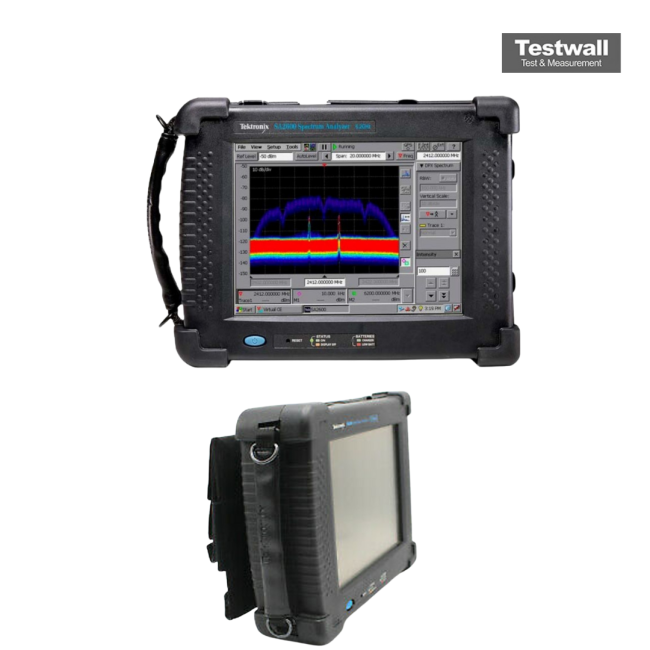
In the fast-paced world of electronics testing and measurement, spectrum analyzers play a critical role in assessing and understanding radio frequency signals. Many professionals, therefore, choose to shop high-quality used spectrum analyzer options to obtain dependable performance while managing budget constraints. For professionals, engineers, and educators, acquiring high-quality equipment is essential, yet the cost of brand-new devices can be prohibitive. This has led many to consider shopping for used spectrum analyzers, which offer both affordability and reliable performance. Understanding the key aspects of these instruments and the considerations involved in purchasing used equipment ensures that buyers make informed decisions that balance functionality with cost-effectiveness.
Understanding the Function of Spectrum Analyzers
At its core, a spectrum analyzer is designed to measure the magnitude of an input signal across a range of frequencies. By providing a visual representation of signals, these devices allow users to identify and characterize electronic signals, pinpointing their strengths, frequencies, and potential interference. Spectrum analyzers come in two main types: analog and digital. Analog models utilize superheterodyne technology, converting signals into intermediate frequencies that are easier to process. Digital spectrum analyzers employ digital signal processing (DSP) techniques and Fast Fourier Transform (FFT) analysis, producing detailed frequency data and enabling advanced post-processing. Each type offers distinct advantages depending on the intended application, whether it’s troubleshooting RF circuits, analysing wireless communications, or monitoring signal integrity.
The Advantages of Purchasing Used Spectrum Analyzers
Opting for a used spectrum analyzer presents multiple benefits, with cost efficiency being the most immediate. For educational institutions, research labs, and small-scale businesses, purchasing a pre-owned analyzer allows access to professional-grade equipment without incurring the high cost of a new model. Beyond financial savings, used spectrum analyzers often offer proven reliability, especially when acquired from reputable sellers who provide detailed maintenance histories. Additionally, high-end pre-owned models may feature capabilities that are absent in newer entry-level units, giving users advanced functionality at a fraction of the cost.
Evaluating Condition and Calibration
The condition of a used spectrum analyzer is a critical factor in ensuring accurate measurements. Calibration plays an essential role in maintaining the precision of these devices. Buyers should seek analyzers with recent certified calibration records, which verify that the instrument meets specified accuracy standards. Regular calibration ensures that measurements remain reliable and that any drift or errors are corrected. Understanding the calibration history allows buyers to make informed decisions about the longevity and trustworthiness of the equipment.
Selecting the Right Manufacturer and Model
Different manufacturers have unique strengths and reputations in the field of spectrum analysis. Renowned brands such as Keysight (formerly Agilent), Tektronix, and Rohde & Schwarz are globally recognized for their robust and precise devices. Each model within these brands may offer specialized features, including higher frequency ranges, improved resolution bandwidths, or advanced analysis capabilities. Buyers should research specific models to ensure that they meet the technical requirements of their projects, considering factors such as the expected frequency range, bandwidth, and measurement accuracy.
Frequency Range and Bandwidth Considerations
The frequency range that a spectrum analyzer can accommodate is a decisive factor in its suitability for particular applications. Telecommunications, for example, often require analyzers capable of monitoring higher frequency bands to handle modern wireless communications. Similarly, different bandwidth requirements affect the analyzer’s ability to resolve closely spaced signals. When purchasing used equipment, confirming that the device supports the necessary range and bandwidth for the intended application is essential for achieving meaningful and reliable results.
Software and Accessory Integration
Modern spectrum analyzers often come with complementary software for data acquisition, analysis, and remote control. Accessory compatibility, including probes, pre-amplifiers, and antennas, extends the functionality of the analyzer. When considering a used purchase, buyers should ensure that all relevant software and accessories are included or readily obtainable. Missing components can limit the device’s usability and may require additional investment.
Choosing Trusted Vendors and Marketplaces
Engaging with reputable vendors is vital when purchasing used spectrum analyzers. Trusted sellers typically provide warranties or return policies, enhancing confidence in the equipment’s condition. In the UK, both specialized resellers and online platforms offer a wide selection of used instruments, but transparency regarding maintenance records, model specifications, and pricing is crucial. By prioritizing vendors with a proven track record, buyers can mitigate risks associated with acquiring pre-owned equipment.
Training and Maintenance Support
Proper utilisation of a spectrum analyzer often requires specialized knowledge. Investing in training programmes can help users maximize the device’s capabilities and integrate it effectively into their workflow. Vendors or manufacturers may offer courses or instructional materials to guide operation. Additionally, ongoing maintenance services are important to maintain accuracy and extend the instrument’s lifespan. Regular servicing ensures that even older equipment continues to perform reliably.
Leveraging User Communities and Online Resources
Professional forums and user communities provide valuable insights for both new and experienced spectrum analyzer users. These platforms allow individuals to exchange tips on operation, maintenance, and troubleshooting. Peer support can help buyers navigate technical challenges, explore best practices for specific models, and gain knowledge about optimal configurations and accessory use. Engaging with these communities enhances the learning curve and fosters informed decision-making.
Making a Successful Purchase
Acquiring a used spectrum analyzer requires a careful and informed approach. Buyers should evaluate condition, calibration history, model suitability, and included accessories. Choosing reputable vendors and utilizing available resources, including user communities and training programmes, further ensures a successful acquisition. By taking these steps, professionals can access high-quality, cost-effective instruments that meet their technical and operational needs.
Conclusion
Used spectrum analyzers offer an excellent balance of performance and affordability for professionals, educators, and businesses in the field of electronics testing. By understanding the technical specifications, evaluating the condition and calibration, and selecting reputable vendors, buyers can make informed purchases that provide reliable measurement capabilities. The integration of proper training, software, and accessory support further enhances the value of these instruments. Ultimately, investing time in research and due diligence ensures that used spectrum analyzers serve as effective, high-performance tools that meet both operational requirements and budgetary constraints, supporting success in a wide range of electronic testing applications.