

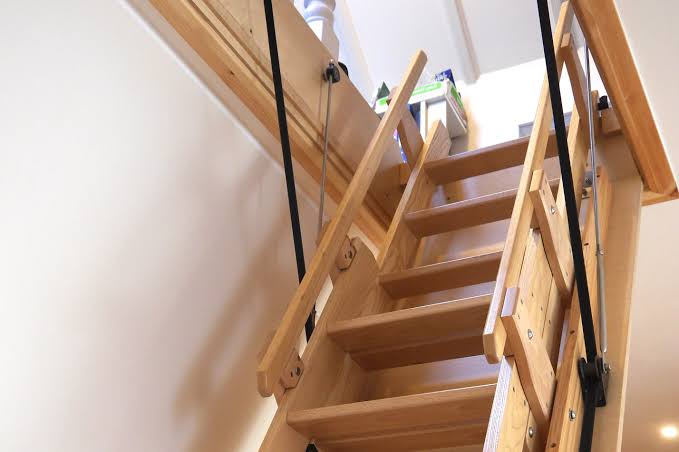
Loft ladders have become an essential feature in modern homes and commercial spaces, providing safe and convenient access to attics, storage areas, and loft conversions. Whether for residential renovations or new construction projects, choosing the right loft ladder manufacturer is crucial to ensure durability, safety, and long-term value. A reliable manufacturer not only delivers high-quality products but also offers innovation, customization, and professional support.
The Importance of Choosing the Right Manufacturer
A loft ladder is more than just a functional accessory it is a structural component that must support weight, operate smoothly, and last for years without failure. Poorly manufactured ladders can lead to safety hazards such as instability, weak hinges, or malfunctioning folding mechanisms. A reputable manufacturer focuses on engineering precision, premium materials, and strict testing standards to guarantee user safety.
Working with an experienced manufacturer also ensures compliance with industry regulations and building codes, which is particularly important for commercial projects and property developers.
Key Features of High-Quality Loft Ladders
When evaluating a loft ladder manufacturer, several important features should be considered:
➔ Durable Materials: High-grade aluminum, steel, or solid wood construction for strength and longevity.
➔ Safety Mechanisms: Anti-slip steps, secure locking systems, and weight-tested designs.
➔ Smooth Operation: Spring-assisted or hydraulic mechanisms for effortless opening and closing.
➔ Compact Design: Space-saving folding or telescopic models for limited ceiling areas.
➔ Thermal Insulation: Insulated hatch options to improve energy efficiency in homes.
Manufacturers that prioritize these features typically provide products that offer better performance and lower maintenance over time.
Residential and Commercial Applications
Different environments require different ladder specifications. Residential loft ladders are often designed with aesthetics and compact storage in mind, making them ideal for homeowners seeking convenience without sacrificing interior design. Commercial and industrial ladders, on the other hand, must handle heavier loads and frequent use, requiring reinforced construction and advanced safety features.
A professional loft ladder manufacturer can recommend suitable models based on ceiling height, usage frequency, and available installation space, ensuring optimal functionality for each setting.
Customization and Design Flexibility
One major advantage of working with a specialized manufacturer is the ability to customize products according to project requirements. Custom sizes, finishes, materials, and operating mechanisms allow architects, builders, and homeowners to achieve both functional and aesthetic goals. Some manufacturers also provide bespoke solutions for unique architectural designs or challenging installation environments.
Customization not only improves usability but also enhances property value by integrating the ladder seamlessly into the overall design.
Installation and Maintenance Considerations
Even the highest-quality loft ladder requires proper installation and routine maintenance to perform effectively. Manufacturers often provide detailed installation guides, technical support, or professional installation services. Regular maintenance such as checking hinges, lubricating moving parts, and inspecting structural components helps extend the ladder’s lifespan and maintain safety standards.
Choosing a manufacturer that offers after-sales support and warranties provides additional peace of mind for buyers.
Innovation and Future Trends
The loft ladder industry continues to evolve with technological advancements and changing consumer demands. Modern manufacturers are introducing lightweight composite materials, enhanced insulation systems, and smart locking mechanisms for improved convenience. Sustainability is also becoming a priority, with eco-friendly materials and energy-efficient designs gaining popularity.
These innovations reflect the industry’s commitment to combining functionality, safety, and environmental responsibility.