
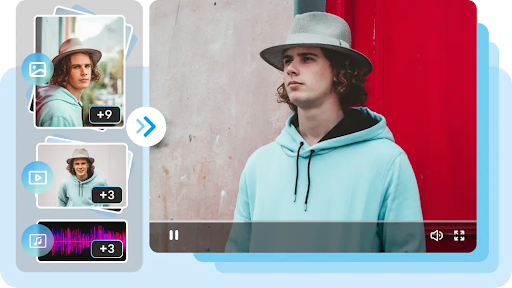
Seedance 2.0 is part of this changing landscape, giving creators another way to experiment with scenes, characters, movement, and visual concepts without beginning with a full production setup. Instead of spending hours trying to explain an idea through written notes, creators can explore how that concept might look when transformed into moving imagery.
The appeal of generative video is not limited to professional filmmakers. Social media creators, small businesses, educators, and independent artists can all benefit from being able to test visual ideas quickly. What once required a camera crew or extensive editing experience can now begin with a simple creative direction.
Why Visual Experimentation Matters
A strong concept often needs to be seen before its potential becomes obvious. A written description may sound exciting, yet the finished visual could feel completely different from what the creator imagined. Generative video provides an opportunity to test that difference early.
This can be especially useful for advertising and social content. A marketing team might have several possible concepts for a campaign but limited resources to produce all of them. Creating early visual versions can help the team decide which direction deserves more attention.
Turning Rough Concepts Into Scenes
The first result does not have to be perfect. In fact, treating it as a visual draft can make the process more productive. Creators can identify what works, remove distracting elements, and adjust the direction until the scene becomes closer to the original idea.
This approach also encourages experimentation. A creator who normally avoids complicated visual concepts may feel more comfortable trying them when the initial investment is much smaller.
What Makes AI Video Useful for Creators?
Convenience is one part of the appeal, but flexibility is arguably more important. Creators can explore different settings, perspectives, moods, and actions without rebuilding an entire physical production each time.
For example, a short promotional video might require several possible introductions before the final one is selected. Generative tools make it easier to compare those possibilities and understand which version communicates the intended message most effectively.
The Importance of Visual Continuity
Creating individual clips is one challenge; making them feel connected is another. A video becomes more convincing when its visual elements follow a recognizable direction. Characters, environments, lighting, and overall atmosphere should support the same creative identity.
This is particularly important for storytelling. Viewers should feel that each scene belongs to the same project rather than appearing as unrelated experiments.
Exploring New Possibilities With Seedance 2.5
As the technology develops, Seedance 2.5 introduces another point of interest for creators exploring modern video generation. The focus is not simply on producing a visually attractive sequence but on making generated content more useful within an actual creative workflow.
A creator may want to test a dramatic camera movement, develop a particular atmosphere, or explore how an imagined environment could appear on screen. These experiments can help shape the direction of a project before significant production resources are committed.
Choosing Details That Matter
Good results usually start with clear priorities. Instead of trying to describe every tiny detail, creators can focus on the elements that define the scene.
Consider the main subject, its action, the environment, camera perspective, and emotional tone. Once these foundations are established, smaller adjustments can be introduced during later attempts.
Where It Can Help Small Businesses
Generative video is not only relevant to entertainment. Small businesses can use visual experimentation when preparing promotional campaigns, product presentations, or social media content.
A business owner may have an idea for a short advertisement but lack access to professional production equipment. Creating an early visual concept can make it easier to understand the idea and decide whether additional investment is worthwhile.
Dreamina can also be used to explore creative video concepts and discover different visual directions before settling on a final approach.
Supporting Marketing Teams
Marketing teams often work under tight deadlines. Trends can change quickly, and campaigns sometimes need multiple creative variations. Being able to test ideas earlier can make the planning process more responsive.
Rather than replacing the marketing team, generative video can provide additional material for discussion. Team members can compare concepts, identify the strongest message, and decide how the final campaign should develop.
Making AI-Generated Content Feel Personal
Technology can generate visuals, but personality still comes from the creator. The most memorable videos usually have a clear reason behind every scene. They communicate a message, create a particular feeling, or tell viewers something worth remembering.
That is why editing remains an important part of the process. Creators can remove unnecessary footage, control pacing, add sound, and arrange scenes so that the final video has a natural rhythm.
Human Judgment Still Leads the Way
Not every generated result deserves to be used. Some clips may contain unexpected movements or details that do not fit the project. A human creator can recognize those problems and make the final decision.
This combination of automated generation and human selection is likely to remain important as the technology improves.
Building a More Efficient Creative Process
A practical workflow does not need to be complicated. Start with a clear idea, generate a basic version, review the result, and refine the elements that need improvement. Saving successful versions can also help creators compare different approaches.
Over time, this method can make experimentation more organized. Instead of generating random clips, creators gradually build a visual direction that reflects their original purpose.
Looking Ahead
AI video generation is opening new possibilities for people who want to communicate through moving images. The biggest change may not be the ability to create a video from a description, but the ability to experiment with ideas that would previously have been difficult or expensive to visualize.
Seedance 2.0 and Seedance 2.5 are part of this broader movement toward more flexible visual creation. Their usefulness ultimately depends on how creators apply them.
The strongest results will still come from people who understand storytelling, audience expectations, pacing, and visual communication. Technology can speed up the journey from an idea to a scene, but the creative vision behind that journey remains human.

