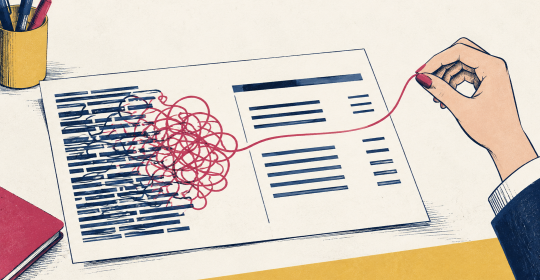
Picture a new starter at 8.55 on a Monday morning, sitting in reception with a visitor lanyard, waiting. Their manager is stuck in a meeting. IT hasn't finished setting up the laptop. Eventually someone walks them to a desk that still has the last person's sticky notes on the monitor.
None of that is a disaster. It is, though, the story they'll tell at home that evening, and it colours how they read every email that follows. Most organisations put serious effort into getting a candidate to sign. Far fewer put the same care into the first 24 hours after they arrive.
A better first day doesn't need a big budget or a new system. It needs HR to sweat a handful of small details. Here are five worth getting right.
1. Start before they walk through the door
The welcome begins the moment the offer is signed, whether you plan it or not. If the next thing a new hire hears from you is a contract and a list of forms, the tone is already set.
Send something short and human a week or so before the start date. Where to go and at what time. Who will meet them, ideally with a photo. What to wear, what to bring, and whether lunch is sorted. That one sounds trivial until you're the person who didn't know there was no canteen.
Then check the dull stuff. Is the laptop ready? Do the logins actually work? Does the manager know it's day one? I'm only half joking about that last question. In Enboarder’s 2025 survey of 1,000 HR leaders in the US, UK and Australia, only 36% described the handoff between recruiting, HR and hiring managers as seamless. Recruiters close the hire and move on, the manager assumes HR has it covered, and the new starter falls into the gap. A shared checklist with a named owner for each item fixes most of it.
2. Make the first hour feel personal
First impressions here are mostly physical. Someone waiting at the door who already knows their name. A desk that's clean and properly set up. A note from the team on the keyboard, handwritten if possible and signed by the people they're about to meet.
A small welcome gift does more than its price suggests, as long as it doesn't look like a box of leftover conference freebies. A plant, decent coffee, a bunch of flowers on the desk. For remote starters, the equivalent should arrive the day before, so it's waiting when they log on for the first time. A florist that handles corporate flowers and gifts can send these to several addresses at once with a separate card for each, which keeps things manageable when a whole intake starts on the same Monday. Whatever you choose, keep it consistent. New starters compare notes faster than you'd think.
3. Give them a buddy who isn't their manager
New starters carry dozens of small questions they'd rather not put to their boss. Where the good printer is. Whether people actually eat at their desks. How expenses work. What a "quick sync" means in this particular team.
A buddy answers those. Pick someone friendly, a peer rather than a line manager, and give them real time in their week to do it properly. APQC's research on onboarding found that one-to-one mentoring is often the missing piece, which leaves new hires working out their responsibilities alone. A buddy won't replace proper training. It does change how lonely those first weeks feel.
Tell the buddy what you actually want from them, too. "Have lunch with them on day one, check in daily for the first week, then weekly for a month" is far easier to follow than "look after them".
4. Swap some of the slides for real work
Day-one inductions have a habit of turning into a marathon of policy decks. Health and safety, IT security, the company values, the org chart, the expenses policy for a second time. Some of it has to happen. Very little of it has to happen before lunch on the first day.
People want to feel useful. Give them one small, real task in their first few days: tidy up a shared document, sit in on a client call and write up the notes, fix something minor that's been bugging the team for months. Complete essential safety, security and role-specific requirements before the relevant work begins, then spread the remaining induction material across the first fortnight.
Go easy on expectations while you're at it. Gallup's onboarding advice makes the point that getting properly up to speed takes longer than most organisations plan for. A first week that feels manageable will do more for a new hire than one that tries to cover everything.
5. Ask how it went, then act on it
At the end of day one, someone from HR or the buddy should ask a simple question: how was today, honestly? Ask again at the end of the first week. Keep it informal. A five-minute chat will tell you more than a 30-question survey.
Don't wait for new starters to raise problems on their own. In Qualtrics' 2026 employee experience research, the share of new hires who felt able to challenge the status quo fell from 64% to 50% in a year. That's a lot of people quietly sitting on feedback you'd probably want. So ask specific questions. Was anything not ready? Who was most helpful? What do you wish you'd known before you arrived?
Then use the answers. If three starters in a row mention that nobody told them the door code, it goes in the pre-start email. The process gets a little better every time someone new joins.
“People do remember whether anyone seemed to be expecting them.”
From the article
The part people remember
Nobody resigns because the welcome note had a typo in it. People do remember whether anyone seemed to be expecting them. Get the first day right and you give a new hire a reason to believe everything else you told them at interview. That's worth an afternoon of planning.
Concept image generated for Onrec.