

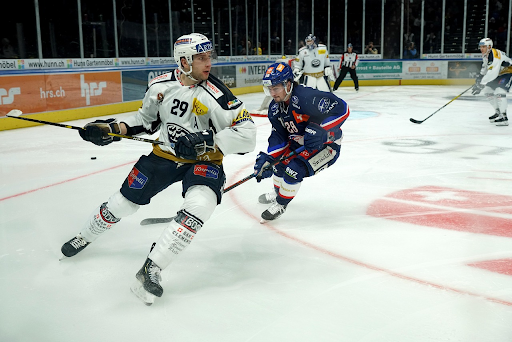
Every player needs protection, but comfort and fit matter too. A poorly fitting guard can shift, make breathing harder, or end up sitting on the bench.
Forwards: Low Profile and Easy Breathing
Forwards skate hard, change direction, and communicate during fast plays. They usually benefit from a slim, secure mouthguard that stays in place without constant biting.
Look for:
-
A low-profile design
-
Clear speech and airflow
-
A snug fit that does not move
-
Enough protection near the boards
A boil-and-bite model can work for occasional players, but frequent players may prefer a custom fit for stability.
Centers: Secure Fit for Faceoffs
Centers need a mouthguard that does not interfere with jaw movement or quick communication. During faceoffs, they must focus on timing and body position, so a loose guard can become distracting.
A well-fitted hockey mouth guard should stay seated when the mouth is slightly open. Thinner custom designs help players speak clearly without sacrificing coverage.
Wingers: Comfort During High-Speed Play
Wingers spend long shifts accelerating, cutting, and battling along the boards. Breathability matters, since a bulky guard may feel uncomfortable during repeated sprints.
Choose a model that feels light and smooth around the edges. It should cover the upper teeth without pressing against the gums.
Defensemen: Added Protection for Heavy Contact
Defensemen block shots, clear the crease, and absorb contact near the boards. They may benefit from a thicker guard that provides more cushioning while allowing them to call out plays.
The right balance matters. A guard that is too thick can affect speech, while one that is too thin may wear down faster.
Goalies: Comfort and Communication First
Goalies face less body contact than skaters, but they deal with collisions, sticks, and hard impacts around the net. Their mouthguard should prioritize comfort and clear communication.
A slim custom guard can be a good choice because goalies often wear it for long periods. It should not trigger gagging or interfere with breathing inside the mask.
Youth Players and Players With Braces
Young players need a mouthguard that fits securely without feeling oversized. Since their teeth and jaws may still change, fit should be checked regularly.
Players with braces need extra room to protect the teeth and soft tissues. Orthodontic-friendly guards are designed to accommodate movement and reduce rubbing.
Players searching for custom mouthguards near me should ask whether the provider makes sport-specific options and offers adjustments after fitting.
What to Check Before Buying
Before choosing a mouthguard, make sure it:
-
Stays in place without clenching
-
Allows normal breathing and speech
-
Has no sharp or rough edges
-
Covers the teeth evenly
-
Fits comfortably with other equipment
Replace it if it becomes cracked, warped, loose, or heavily chewed. A mouthguard works best when it fits well enough to be worn for every practice and game.