

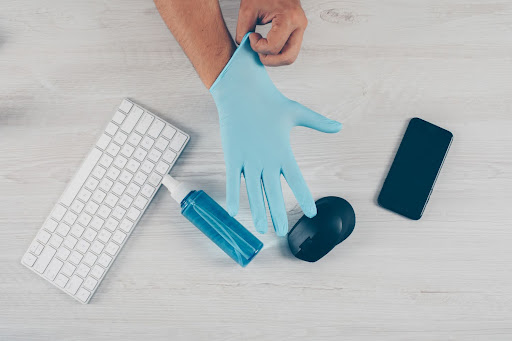
For years, workplace hygiene sat quietly in the background of organisational priorities. As long as offices appeared broadly presentable, cleanliness was treated as a basic operational concern rather than a strategic one. Today, that assumption no longer holds. Hygiene has moved from an invisible necessity to a visible signal of how much employers value their people.
As competition for talent intensifies and employee expectations evolve, organisations are discovering that workplace hygiene directly affects trust, wellbeing, and long-term retention. This shift is driven not by aesthetics alone, but by a deeper understanding of how physical environments shape daily experience at work. Consumer awareness around non-toxic and environmentally conscious cleaning products has risen sharply in recent years, a trend reflected in brands such as Clean People, and these expectations increasingly carry over into how employees judge hygiene standards in shared work environments.
Hygiene, in other words, has become cultural.
Cleanliness as a Signal of Care and Credibility
Employees notice far more about their environment than organisations often realise. The condition of shared spaces, restrooms, kitchens, and meeting rooms sends a constant, unspoken message about priorities. When hygiene is inconsistent, employees interpret it not as an oversight, but as a lack of care.
This matters because trust is built through consistency. Just as unclear policies or unreliable systems undermine confidence, poorly maintained environments create friction and quiet dissatisfaction. Over time, this erodes engagement, particularly among experienced professionals who expect a baseline level of order and consideration.
Interestingly, the impact of hygiene becomes most visible during moments that are meant to build connection. Team gatherings, onboarding events, or informal celebrations are designed to strengthen culture, yet small details often determine whether those moments feel thoughtful or careless. Even something as simple as the quality and presentation of items used during celebrations, such as bridal shower napkins at a workplace event marking a major life milestone, can influence how inclusive and well-organised an organisation feels. These details may seem trivial, but they communicate whether care is intentional or incidental.
Hygiene, Health, and Psychological Safety
While hygiene is often framed in terms of physical health, its psychological effects are just as important. Clean, orderly environments reduce cognitive load. When employees are not distracted by mess, odours, or uncertainty about hygiene standards, they can focus more fully on their work.
Research in environmental psychology shows that physical disorder increases stress and reduces perceived control. In workplaces, this translates into lower tolerance for pressure and slower recovery from demanding tasks. Over time, the accumulation of these small stressors contributes to burnout, even in roles that are otherwise manageable.
This is why hygiene now intersects with psychological safety. Employees are more likely to feel comfortable, respected, and secure in environments that are predictably clean and well-maintained. That sense of safety supports open communication, collaboration, and resilience, all of which are critical for retention.
The Post-Pandemic Shift in Expectations
The pandemic permanently altered how people think about shared spaces. Employees are far more attuned to cleanliness than they were a decade ago, and many now see hygiene as a non-negotiable standard rather than a perk.
Importantly, expectations have not returned to pre-pandemic levels. Candidates evaluate employers partly on how seriously they take hygiene, particularly in industries that require on-site presence. A poorly maintained environment can raise immediate concerns about organisational competence and employee welfare.
From a recruitment perspective, this means hygiene influences first impressions. Candidates visiting an office for interviews or assessment days quickly form judgments based on what they see. These impressions often outweigh carefully crafted employer branding messages, because they feel more authentic.
Hygiene and Equity in the Workplace
Another reason hygiene is becoming a retention issue is its link to fairness. Inconsistent standards across locations or departments can create resentment. When some teams work in clean, well-supported environments while others do not, employees perceive inequity, even if it is unintentional.
This is particularly relevant in hybrid and multi-site organisations. Central offices often receive more attention than satellite locations, yet employees in all roles contribute to organisational success. Addressing hygiene consistently across sites signals respect for every part of the workforce.
Equity also applies to shared moments. Workplace celebrations, acknowledgements, and social events should feel inclusive and well-considered. When these occasions are poorly organised or visibly neglected, they undermine the very sense of belonging they are meant to foster.
Retention Is Shaped by Accumulated Experience
Employees rarely leave because of a single issue. Retention is shaped by the accumulation of daily experiences, many of which are subtle. Hygiene is one of those quiet factors that rarely appears in exit interviews, yet frequently contributes to disengagement.
People are more likely to stay in environments where they feel comfortable, respected, and supported. Cleanliness contributes to all three. It reinforces the idea that the organisation pays attention to details and takes responsibility for shared spaces.
This is especially important for senior hires and long-tenured employees. As people progress in their careers, they become less tolerant of unnecessary friction. They expect professionalism to extend beyond policies and into the physical environment.
A Strategic View of Workplace Care
Treating hygiene as a strategic issue does not mean micromanaging appearances or chasing perfection. It means recognising that operational care is part of the employee value proposition.
Forward-thinking employers integrate hygiene into broader discussions about wellbeing, culture, and sustainability. They invest in reliable systems rather than reactive fixes. They understand that clean environments support not just health, but focus, morale, and trust.
This perspective also aligns with long-term cost management. Proactive hygiene reduces absenteeism, supports engagement, and lowers turnover, all of which carry significant financial implications.
Why Hygiene Will Continue to Matter
As work environments continue to evolve, the importance of hygiene is unlikely to fade. Hybrid models, shared spaces, and flexible arrangements all increase the need for clear standards and consistent care.
In a labour market where employees have greater choice, organisations are judged not only on what they promise, but on what they deliver day after day. Hygiene is one of the most visible indicators of that delivery.
Ultimately, workplace hygiene is no longer just about cleanliness. It is about respect, reliability, and the everyday signals that tell employees whether they are valued. Employers who understand this will be better positioned to attract and retain talent in a competitive and expectation-driven market.


