
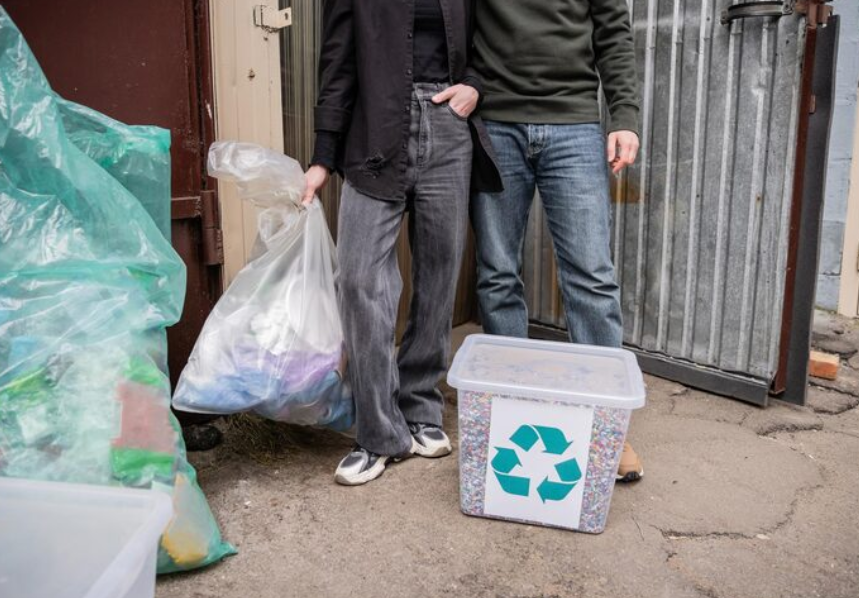
Waste disposal is a routine part of daily life, yet it carries more responsibility than many people realise. What appears to be a simple act, such as placing rubbish into a bin, is actually governed by rules, systems, and shared expectations that help maintain order within communities. In many areas, it may be considered illegal to use other people's bins, as this practice violates local regulations and community guidelines. One of the most overlooked issues in this space is the misuse of other people’s bins. While it may seem harmless to drop a small bag of waste into a neighbour’s bin, this action can lead to legal concerns, social tension, and environmental disruption.
Understanding why this practice is discouraged, and often illegal, requires a closer look at how waste systems operate, the legal frameworks involved, and the broader impact on communities. As urban areas grow and waste production increases, responsible disposal becomes even more important for maintaining cleanliness, fairness, and sustainability.
The Legal Boundaries of Bin Usage
Many people are unaware that using someone else’s bin without permission can be considered a legal violation. Waste bins are typically assigned to households or businesses, and in many regions, they are tied to specific service agreements. This means that the owner or tenant is financially responsible for the waste collected, whether through fixed fees or volume-based charges.
When another person places their rubbish into a bin they do not own or have permission to use, it may be classified as unauthorised use of property. In some cases, this can be interpreted as a form of theft or trespassing. The reasoning behind this is simple. The bin is not a public resource but part of a paid service, and adding waste increases the burden on the rightful user.
Legal consequences may vary depending on local regulations, but they can include fines or warnings issued by local authorities. In more serious situations, especially when repeated misuse occurs, disputes may escalate between neighbours or involve formal complaints.
How Waste Management Systems Work
To fully understand the issue, it is important to look at how waste management systems are designed. Most communities operate on scheduled collection services, where bins are emptied on specific days. These systems are carefully planned to handle a predictable amount of waste based on household size and usage patterns.
When additional waste is placed into a bin without permission, it can disrupt this balance. Overflowing bins may lead to missed collections, as waste handlers often refuse to collect bins that exceed capacity or contain improperly sorted materials. This not only affects the bin owner but can also create sanitation issues in the surrounding area.
Recycling systems are particularly sensitive to misuse. Many areas require waste to be separated into categories such as recyclables, organic waste, and general rubbish. When someone unfamiliar with these rules uses another person’s bin, it increases the risk of contamination. This can result in entire batches of recyclable material being rejected and sent to landfill instead.
Environmental Impact of Improper Disposal
The environmental consequences of unauthorised bin use extend beyond individual households. Waste management systems are designed to minimise environmental harm through proper sorting, recycling, and disposal methods. When these systems are disrupted, the impact can be significant.
Improper disposal contributes to increased landfill use, which in turn leads to higher greenhouse gas emissions and environmental degradation. Contaminated recycling loads reduce the efficiency of recycling facilities, wasting valuable resources and energy. Over time, these small acts of misuse can collectively undermine efforts to create more sustainable communities.
Additionally, overflowing bins can attract pests and create unpleasant living conditions. This not only affects the immediate area but can also lead to broader public health concerns. Maintaining proper waste practices is therefore essential not just for legal compliance but for environmental protection as well.
Social Effects and Community Tension
Beyond legal and environmental concerns, the misuse of bins can strain relationships within communities. Neighbours who discover that their bins are being used without permission may feel frustrated or disrespected. This can lead to conflicts, especially if the issue persists over time.
Trust is an important part of any community, and actions that violate shared norms can weaken that trust. When residents feel that others are not respecting boundaries, it can create a sense of unfairness and resentment. In some cases, this may escalate into disputes that require mediation or intervention from local authorities.
Communities thrive when individuals take responsibility for their actions and respect shared spaces. Proper waste disposal is one of the simplest ways to contribute to a positive and cooperative environment.
The Role of Local Authorities
Local councils and governing bodies play a key role in managing waste systems and enforcing regulations. They establish guidelines for proper disposal, provide bins and collection services, and implement penalties for non-compliance. These organisations also work to educate the public about responsible waste practices.
Public awareness campaigns often highlight the importance of using the correct bins, following collection schedules, and respecting the property of others. By providing clear information and resources, local authorities aim to reduce misuse and improve overall system efficiency.
In some areas, councils have introduced stricter monitoring and enforcement measures to address ongoing issues. These may include inspections, reporting systems, and fines for repeated violations. While enforcement is necessary, education remains the most effective tool for promoting long-term behavioural change.
Practical Ways to Prevent Bin Misuse
Preventing unauthorised bin use often requires a combination of awareness and simple preventative measures. Many households choose to store their bins in less visible areas until collection day, reducing the likelihood of misuse. Others may use bin covers or labels to clearly indicate ownership.
In areas where bin misuse is a recurring problem, some residents invest in lockable bins or enclosures. While this may seem excessive, it can be an effective way to protect against repeated issues. Communication also plays an important role. In some cases, addressing the issue directly with neighbours can resolve misunderstandings and prevent future conflicts.
Ultimately, prevention is about creating clear boundaries and maintaining consistency in waste management practices. When everyone follows the same rules, the system works more effectively for all.
Technology and Modern Solutions
Advancements in technology have introduced new ways to manage and monitor waste. Smart bins equipped with sensors and tracking systems are becoming more common in some regions. These bins can alert owners when they are accessed or when capacity limits are reached.
Such innovations not only help prevent misuse but also improve efficiency in waste collection. Data collected from these systems can be used to optimise routes, reduce costs, and minimise environmental impact. While these solutions are still emerging, they represent a promising step toward smarter and more sustainable waste management.
Technology also plays a role in education. Online platforms and mobile applications provide residents with information about collection schedules, recycling guidelines, and local regulations. By making this information easily accessible, communities can encourage better compliance and reduce confusion.
Ethical Considerations in Waste Disposal
At its core, the issue of using someone else’s bin is not just about rules but about respect and responsibility. Ethical waste disposal involves considering how individual actions affect others and the environment. It requires a sense of accountability and a willingness to follow shared guidelines.
Choosing to dispose of waste properly reflects a commitment to community well-being. It shows respect for neighbours, supports environmental efforts, and contributes to a cleaner and more organised living space. These small actions, when practised consistently, have a meaningful impact on the overall quality of life.
The Broader Picture of Sustainable Living
Responsible waste management is part of a larger movement toward sustainability. As global awareness of environmental issues grows, individuals are being encouraged to adopt practices that reduce waste and conserve resources. This includes recycling, composting, and minimising unnecessary consumption.
Using the correct bin may seem like a minor detail, but it is an important part of this broader effort. Every step taken toward proper waste disposal supports a more sustainable future. Communities that prioritise these practices are better equipped to handle the challenges of increasing waste and environmental pressure.
Conclusion: Respect, Responsibility, and Compliance
The act of placing rubbish in a bin carries more significance than it might initially appear. Using someone else’s bin without permission is not only a legal issue but also a matter of fairness, environmental responsibility, and community respect. By understanding the systems in place and the reasons behind them, individuals can make more informed choices about their waste disposal habits.
Maintaining proper practices ensures that waste management systems function effectively, reduces environmental impact, and fosters positive relationships within communities. As awareness continues to grow, it becomes clear that responsible waste disposal is not just a personal obligation but a shared commitment to a cleaner and more sustainable world.












