

Experiential marketing sounds straightforward until brands attempt execution and discover the operational complexity hiding beneath creative concepts. Successful activations require dozens of coordinated elements, from permitting and fabrication to staffing and real-time problem-solving. Understanding what brands actually need from an experiential marketing agency helps separate true full-service partners from vendors who handle only pieces of the puzzle.
The difference between adequate and exceptional experiential partners becomes clear when challenges arise. Permits get delayed. Weather threatens outdoor activations. Equipment malfunctions. Crowd sizes exceed or fall short of projections. The experiential marketing company that handles these inevitable complications seamlessly versus the one that escalates every issue back to the client determines whether activations succeed or spiral into expensive disasters.
Strategic Planning Beyond Creative Concepts
Most brands arrive with creative vision but limited understanding of execution realities. They know they want a mobile tour or pop-up activation but haven't considered permitting timelines, vehicle customization requirements, staffing models, or logistical constraints. The right experiential marketing agency serves as a strategic partner who transforms aspirational concepts into executable plans.
This strategic planning includes honest conversations about budget realities, timeline feasibility, and market selection. Experienced agencies push back when timelines are unrealistic, budgets are insufficient, or creative concepts create execution nightmares. They propose alternatives that achieve brand objectives while remaining operationally sound. This candid strategic partnership prevents expensive mistakes and sets realistic expectations from the start.
Comprehensive Operational Capabilities
Full-service experiential partners handle every operational element required for activation success. This includes permitting across multiple jurisdictions, understanding what permits are needed, navigating application processes, and managing timeline expectations across different cities with wildly different requirements and processing speeds.
Vehicle sourcing and customization requires either maintaining a fleet of branded vehicles or having fabrication relationships that can deliver quality custom builds on realistic timelines. This includes not just exterior wraps but interior buildouts, electrical systems, plumbing if needed, and equipment installation that meets safety and operational requirements.
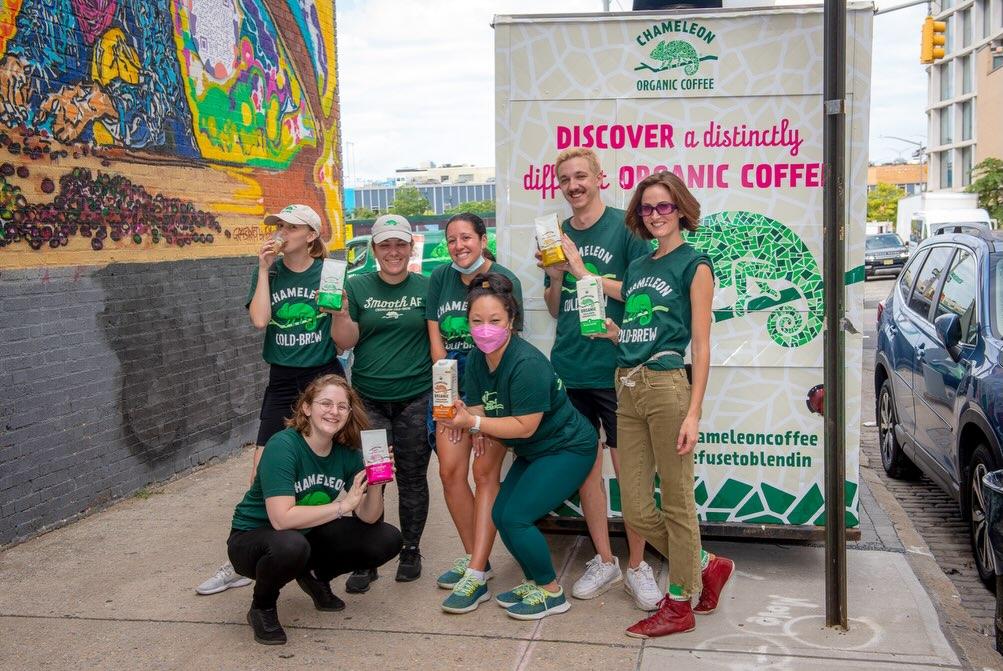
Staffing means more than sending warm bodies to activation sites. Quality experiential marketing agencies recruit, train, and manage brand ambassadors who actually represent brands well. They conduct comprehensive product training, teach engagement techniques, and implement quality control that ensures consistent experiences across markets and activation days.
Logistics coordination encompasses transportation, setup and teardown, equipment rental, supply chain management for giveaways or samples, and real-time troubleshooting when things don't go according to plan. Insurance, safety protocols, and risk management round out operational requirements that brands often don't consider until problems arise.
Local Market Expertise
National brands deploying multi-city tours need partners with real local market knowledge, not just theoretical understanding. This includes knowing which neighborhoods attract target demographics, understanding local culture and preferences that inform activation customization, having relationships with local vendors and suppliers, and recognizing which locations work best for different activation types.
Local staffing networks matter enormously. Brands can't recruit and train quality brand ambassadors from scratch in each new market. Agencies with established talent pools in major markets can deploy trained teams quickly while maintaining quality standards. This local infrastructure separates true multi-market operators from agencies who claim national capabilities but execute regionally.
Data Collection and Reporting
Experiential activations generate valuable data beyond simple attendance counts. Quality partners capture participant demographics, product preferences, feedback on messaging and execution, social media engagement and reach, and conversion indicators like promo code redemption or app downloads.
Post-activation reporting should deliver actionable insights, not just vanity metrics. Attendance numbers matter less than engagement quality, dwell time, interaction depth, and expressed purchase intent. Experienced experiential marketing agencies know what data actually informs decision-making and structure collection and reporting accordingly.
Problem-Solving and Flexibility
The true test of experiential partners comes when things go wrong, which they inevitably do in live events. Equipment breaks, weather interferes, permits get delayed, crowds don't materialize, or unexpected opportunities arise. The difference between good and great partners is how they handle these moments.
Great experiential marketing companies solve problems without escalating every issue to clients. They maintain backup equipment, have contingency plans for weather, can pivot locations when sites underperform, and make judgment calls that protect brand interests while keeping activations running smoothly. They empower on-site teams to adapt rather than requiring approval for every minor deviation from plan.


