

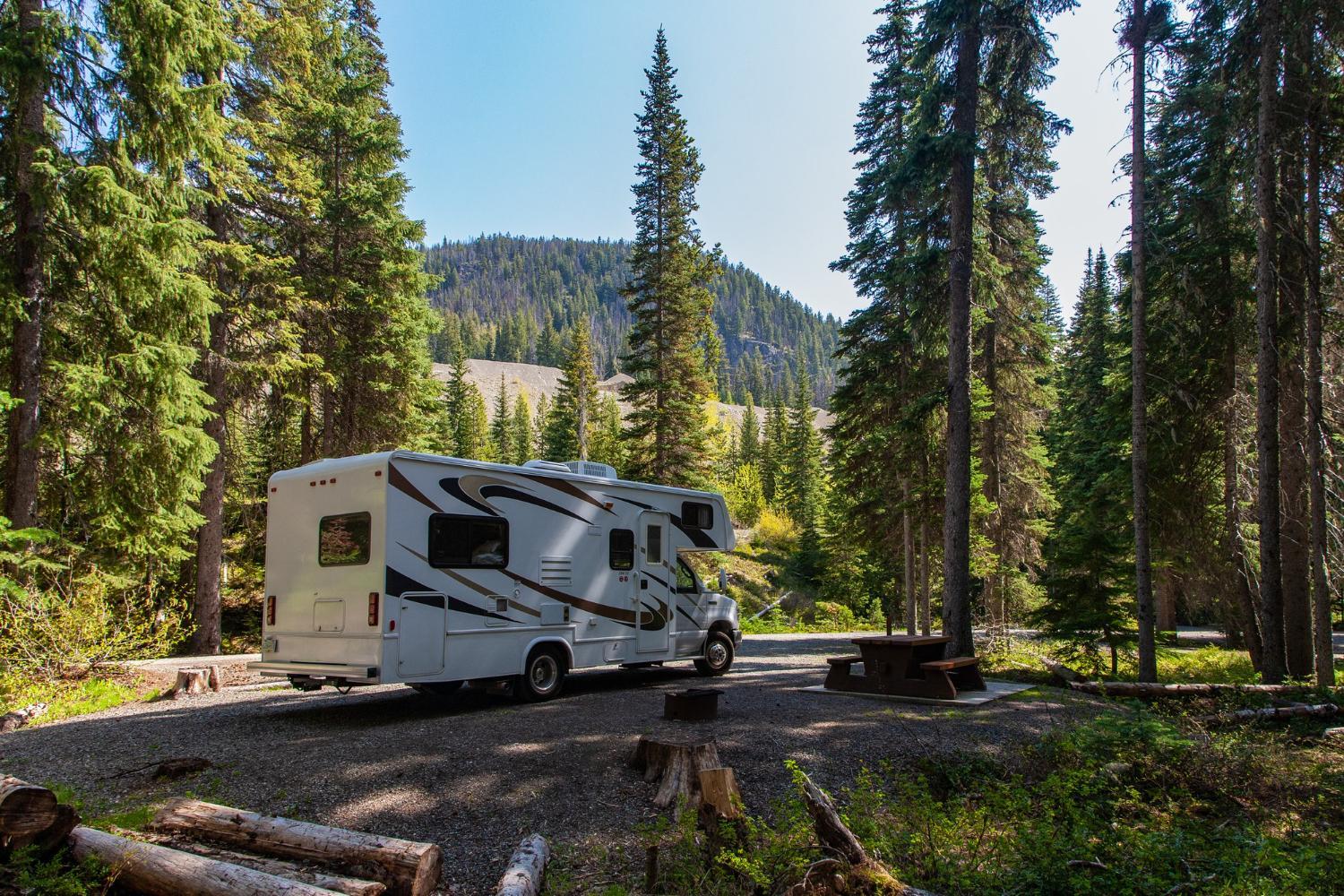
When you own an RV and you are looking to reduce expenses and go green, then a solar-powered generator may be your next best step. Three years down the line and having experimented with the various power configurations, I now know what is important when choosing the appropriate generator.
Why RV Owners Are Switching to Solar Power
Gas generators are clumsy, require frequent fueling, and release fumes that spoil a nice day in the camp. The solar powered RV generator offers you an alternative paying off in the long run: a clean and quiet power source. Also, you will never need to disturb the neighbors at 6am to brew coffee.
Understanding Your Power Needs First
You have to decide what you will need to run before you begin searching an emergency solar generator. Supply the wattage of your essential appliances:
-
• Refrigerator: 100‑200 watts
-
Lights and phone chargers: 50 and 100 watts.
-
• Laptop: 50‑100 watts
-
• Coffee maker: 600‑1,000 watts
-
• Air conditioner: 1,500‑3,500 watts
Adding up all the daily usages will tell you the minimum battery capacity you will require. The typical weekend warrior can make do with 1,000 -2,000 Wh systems, and full-timers typically require 2,000 -4,000 Wh.
Key Features to Look For Solar Generator
Battery Capacity and Type
Use lithium batteries as opposed to lead-acid. They are longer lasting, lighter and charge quicker. The minimum power that should be provided by a good solar backup generator is 1,000 Wh.
Solar Panel Compatibility
Take the count of watts of solar panels that the generator can process. The more input, the higher the charge. The majority of good units can take 200-400W of sunshine, and be fully charged in 4-6 hours of solid sun.
Multiple Output Options
Your generator must come with a combination of outlets: standard AC outlets, phone and tablet USB, and 12 V DC outlets. Those are flexible so that you can power everything without adapters.
Portability Matters
Weight is key for RV use. A generator of 30 lbs is easy to handle, whereas a generator of 70 lbs becomes a nightmare. When going heavier, look at the models that have wheels or handles.
The best considerations according to real experience
Scalability: Is it possible to add additional batteries? Your energy requirements can increase with your becoming accustomed to solar living.
Warranty and Support: Do not compromise on the brands that have a minimum warranty of 2 years. You are gambling with quite a lot of cash.
Pure Sine Wave: This is important to delicate electronics such as laptops and medical appliances. Don’t skip it.
Charging: In addition to solar, do you have the ability to charge both on the move through your RV alternator and on the shore through power? There are several ways of charging that provide you with a back-up.
Budget Planning: What to Expect
Solar generators that run on the RV entry level begin at about $500-800 in the 500-1000Wh range. The mid-range versions (1,000-2,000) will provide 1,500-2,000 Wh and enhanced features. Pro-grade models cost between $2,000-4,000, but are capable of operating air conditioners and serious off-grid living.
Also remember that you need to budget on panels. The cost of quality panels ranges between 150 and 400 dollars to install 100 to 200Was.
Common Mistakes to Avoid
Do not purchase according to peak wattage. It is the sustained use that is of importance because of continuous wattage. A 2,000 W peak, 1,000 W continuous generator will not be able to run that AC.
Avoid undersizing. Too much capacity is better than too little because you always have to fear that you are going to run out of juice.
Avoid cheap purchases of the unknown brands. Thou shalt not be miles from town without reliability.
Making Your Final Decision
Begin by giving a true evaluation of your style of camping. Smaller systems can be used by weekend campers that have minimal power needs. Full-time RVers or frequent boondockers must have more sturdy systems and have the capability to expand.
Reviews are not the general camping reviews but that of real users of the RV. The needs of RV life are different and not experienced by car campers.
Think about opening small and growing. Most systems allow you to add batteries or panels as you get to know what your actual consumption is.
The Bottom Line
A RV solar-powered generator will make the entire camping trip worrying about sound and fuel consumption issue instead of a nature-first impression. Choose your actual power requirements, abide by marketing hype. Divide what you need, select quality parts and keep in mind further development.
A reliable solar backup generator implies the ability to camp at any location, at any time without losing any of the comforts of RV living, which makes RV life so much fun. Most RVers are left questioning why they did not go solar sooner after doing so.
Ready to take the leap? Begin by monitoring the amount of power that you use on a normal trip. Real-life data will then lead you to the ideal system that would suit your needs.