

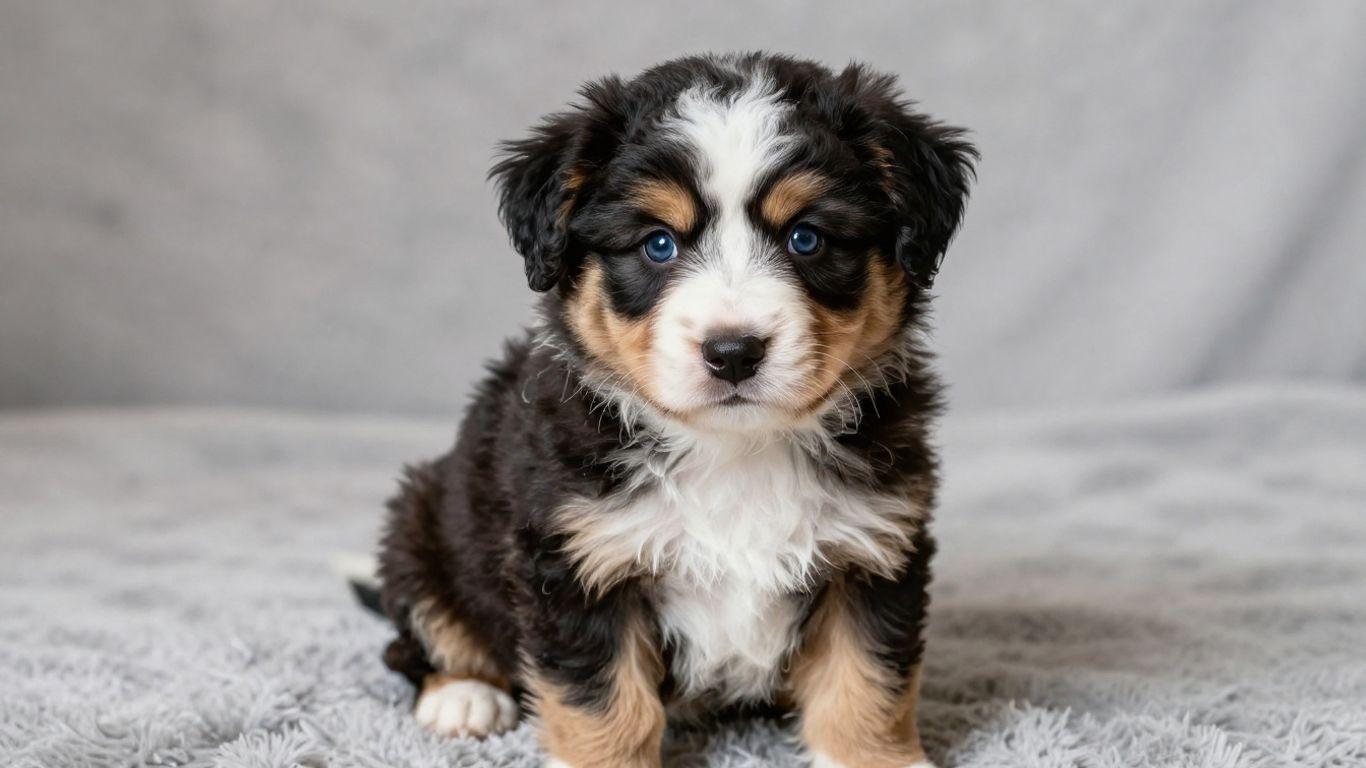
Creating a Safe and Secure Environment
Bringing a new Aussiedoodle puppy home is a big change for everyone. To help your new furry friend adjust, setting up a safe and quiet space is key. Think of it as their personal den, a place where they can retreat and feel secure when things get a bit overwhelming. This spot should be comfortable, with soft bedding and maybe a favorite toy. It’s important to let your puppy explore this space on their own terms, without being forced into it. This helps build their confidence in their new surroundings.
A calm environment is vital for a puppy's initial adjustment. Keep the noise level down and avoid too many visitors in the first few days. This allows your Aussiedoodle puppy to get used to the sights and sounds of their new home without feeling stressed. Remember, they are leaving everything they've ever known, so a gentle introduction to their new world makes a big difference. This initial period sets the stage for a happy and well-adjusted dog.
It's also a good idea to puppy-proof the areas your dog will have access to. Secure any electrical cords, remove small objects they could chew on, and make sure any toxic plants are out of reach. Creating a safe space isn't just about their den; it's about making their entire home environment secure. This proactive approach prevents accidents and reduces anxiety for both you and your puppy.
Gentle Introductions to Family Members
When your Aussiedoodle puppy first arrives, introductions to family members, including other pets, should be calm and supervised. Let your puppy approach people and other animals at their own pace. Avoid overwhelming them with too many people or pets at once. Allowing your puppy to initiate interaction builds trust and positive associations.
For introductions with other pets, use a leash and keep the initial meetings short and positive. Swap blankets between pets beforehand to let them get used to each other's scent. If your puppy seems shy or nervous, offer them a treat when they are near the other pet or person. Never force interactions; let your Aussiedoodle puppy set the pace. This gentle approach helps prevent fear or aggression later on.
Remember that puppies go through different developmental stages, including fear periods. During these times, they might be more hesitant around new things. Patience and positive reinforcement are key. If your puppy is nervous around new family members, have them offer a treat to the puppy. This helps create a positive association with new people. Making every new experience a good one is important for their social development.
Establishing a Routine for Comfort
Puppies thrive on routine. Establishing a consistent schedule for feeding, potty breaks, playtime, and sleep from day one will help your Aussiedoodle puppy feel secure and understand what to expect. This predictability is incredibly comforting for a young dog adjusting to a new environment. A well-structured routine minimizes anxiety and helps prevent common puppy issues like accidents or destructive chewing.
Your daily schedule should include regular potty breaks, especially after waking up, after meals, and after playtime. Take your Aussiedoodle puppy to the designated potty spot consistently. When they successfully go, offer immediate praise and a small treat. This positive reinforcement is vital for successful potty training and helps them learn quickly. Consistency is the name of the game here.
Beyond potty breaks, ensure your routine includes dedicated time for play and mental stimulation. Short, frequent training sessions are also beneficial. A predictable rhythm helps your puppy settle in faster, reduces stress, and builds a strong bond between you and your new companion. This structured approach makes the transition smoother for everyone involved.
Essential Aussiedoodle Puppy Training
Potty Training Foundations with Pee Pads
Starting potty training with pee pads can make the transition to outdoor habits much smoother for your Aussiedoodle puppy. Many puppies come with a head start, already familiar with using pee pads. The key is to build on this foundation consistently. Place the pee pad near the door you'll eventually use for outdoor potty breaks. This helps your puppy connect that specific location with the act of going to the bathroom.
Gradually, you'll want to move the pee pad closer to the outside door. This subtle shift encourages your puppy to take those extra steps outside. Maintaining a strict schedule is also vital. Take your puppy to the pee pad or outside frequently, especially after meals, naps, and playtime. Always be ready with praise or a small treat the moment they finish their business in the right spot. This positive reinforcement is a powerful tool in potty training.
If accidents happen, and they will, try to remain calm. Clean up the mess without scolding your puppy. Punishment can create fear and confusion, hindering the training process. Patience and consistent positive reinforcement are the most effective ways to achieve successful potty training for your Aussiedoodle.
Transitioning to Outdoor Potty Habits
Once your Aussiedoodle puppy is reliably using the pee pad near the door, it's time to make the move outside. Continue the consistent schedule: take your puppy out first thing in the morning, after meals, and after playtime. When you go outside, choose a specific spot for your puppy to do their business. This helps them associate that area with potty time.
When your puppy successfully goes potty outside, offer immediate and enthusiastic praise. A small, tasty treat can also be a great motivator. This positive feedback loop is crucial for them to understand what you want. If your puppy seems hesitant or distracted outside, keep sessions short and positive. Don't force them; just return inside and try again later.
Be prepared for a few outdoor accidents as your puppy adjusts. Clean them up thoroughly to remove any scent cues. The goal is to make outdoor potty breaks more rewarding than indoor ones. With persistence and a positive attitude, your Aussiedoodle will soon be reliably pottying outdoors.
Positive Reinforcement for Good Behavior
Positive reinforcement is the cornerstone of effective training for any dog, and Aussiedoodles are no exception. This method focuses on rewarding desired behaviors, making them more likely to occur again. Think of it as teaching your puppy what you want them to do, rather than punishing them for what they do wrong. Aussiedoodle puppies from Crockett Doodles are described as intelligent, affectionate, and trainable, which makes reward-based routines especially useful during early puppy training.
When your Aussiedoodle puppy exhibits good behavior, like sitting when asked, coming when called, or even just settling calmly, reward them immediately. Rewards can include verbal praise, a gentle pat, a favorite toy, or a small, high-value treat. The key is that the reward is something your puppy truly values and is delivered right after the desired action.
Keep training sessions short, fun, and engaging. Aussiedoodles are intelligent and can get bored easily. Ending each session on a positive note, with a successful command and a reward, will keep your puppy eager to learn more. This consistent approach builds a strong bond and a well-behaved companion.
Socialization and Basic Commands
Building Social Skills with New Experiences
Introducing your Aussiedoodle puppy to new sights, sounds, and people is really important. This early exposure helps them grow into a confident dog. Aim to expose your puppy to a variety of environments and gentle interactions. The window for socialization is critical, typically between 8 to 16 weeks of age.
Think about different textures under their paws, like grass, carpet, or even a smooth sidewalk. Let them hear everyday noises, like a vacuum cleaner or a car door closing, from a safe distance. Meeting calm, vaccinated dogs and friendly people can also build their social skills. Keep these experiences positive and short to avoid overwhelming your pup.
Positive early experiences help prevent fear and anxiety later in life. It's about building a foundation of trust and comfort with the world around them.
Teaching Foundational Commands
Teaching basic commands is more than just tricks; it's about communication and building a bond. Start with simple cues like 'sit,' 'stay,' and 'come.' Use positive reinforcement methods, like treats and praise, to reward your puppy when they get it right. Keep training sessions short, around 10-15 minutes, to maintain their focus and prevent boredom.
Consistency is key. Everyone in the household should use the same commands and signals. This helps your Aussiedoodle puppy understand what's expected. Remember, you are the pack leader, and clear communication strengthens your relationship.
➔ Sit: Hold a treat above their nose and move it back over their head. Their rear should naturally lower.
➔ Come: Use a happy tone and a short distance. Reward them enthusiastically when they reach you.
➔ Stay: Start with very short durations and gradually increase the time.
The Importance of Play and Mental Stimulation
Playtime isn't just fun; it's a vital part of your Aussiedoodle's development. It helps burn energy, strengthens your bond, and provides mental stimulation. Interactive toys, like puzzle feeders or chew toys, can keep their minds engaged when you can't actively play with them.
Mental stimulation is just as important as physical exercise. Puzzle toys that dispense treats or require problem-solving can prevent boredom and destructive behaviors. Rotate toys to keep things interesting for your puppy. A mentally tired puppy is often a well-behaved puppy.
➔ Fetch with a soft toy.
➔ Tug-of-war (with rules!).
➔ Puzzle feeders for meal times.
Grooming Needs for Your Aussiedoodle
Regular Coat Brushing to Prevent Matting
Keeping your Aussiedoodle's coat in good shape is a big part of their care. These dogs can have wavy or curly hair, and if you don't brush it often, it can get tangled up quickly. Regular brushing is key to preventing painful mats. Aim to brush your Aussiedoodle at least three to four times a week. Use a good slicker brush or a comb made for curly coats. Pay extra attention to areas like behind the ears, under the legs, and the tail, as these spots tend to mat the most. Consistent grooming helps keep their skin healthy too.
Bathing and Conditioning Routines
When it's time for a bath, try to do it about once every four to six weeks. Of course, if your Aussiedoodle gets extra dirty from playing outside, a bath might be needed more often. Use a gentle shampoo made for dogs, and one that helps keep their skin moisturized. It's really important to rinse all the soap out completely. Leftover shampoo can make their skin itchy. After washing, a good conditioner will help keep their coat soft and easier to manage. This part of grooming is important for their comfort.
Ear and Dental Hygiene Practices
Because Aussiedoodles often have floppy ears, it's a good idea to check their ears weekly. Look for any redness or bad smells, which could mean an infection. You can gently clean their ears with a solution recommended by your vet. This helps stop dirt and wax from building up. Taking care of their teeth is also a must. Brushing their teeth daily is best, but even a few times a week makes a big difference in preventing gum problems and keeping their breath fresh. Good ear and dental hygiene are vital for your Aussiedoodle's health.
Nail Trimming for Comfort and Health
Don't forget about your Aussiedoodle's nails. Long nails can be uncomfortable for them, especially when they're active. They can also cause problems with their paws and how they walk. Check their nails every three to four weeks. If you can hear them clicking on the floor, it's probably time for a trim. If you're not comfortable doing it yourself, a vet or a professional groomer can help. Keeping their nails at a good length is a simple but important part of their overall grooming routine.
Nutrition for a Growing Aussiedoodle
Choosing a Balanced Puppy Diet
Feeding your Aussiedoodle puppy the right food is super important. They need a diet that supports their fast growth and high energy. Look for high-quality puppy food with good protein sources like chicken or fish. This helps build strong muscles and keeps them going all day. A balanced mix of fats, carbs, vitamins, and minerals is also key. Think of it as building a strong foundation for their whole life.
Understanding Nutritional Requirements
Aussiedoodles can be prone to certain health issues, like joint problems. Foods with added glucosamine and chondroitin can help support their joints. Also, some Aussiedoodles have sensitive skin. If yours seems itchy or has digestive troubles, a limited ingredient or hypoallergenic diet might be the answer. Always watch for signs of food sensitivities. Proper nutrition is key to a healthy Aussiedoodle.
Addressing Potential Food Sensitivities
If your Aussiedoodle starts licking excessively, gets frequent ear infections, or has tummy troubles, it might be a sign of food sensitivity. Talk to your vet about trying a different protein source or a grain-free option. Hydration is also a big deal, especially if they mostly eat dry food. Make sure fresh water is always available. Choosing the right food for your Aussiedoodle is a big part of their care.
Navigating Training Setbacks
Understanding Puppy Learning Processes
Puppies learn differently than adult dogs. They are new to the world and everything is a big discovery. Sometimes, what seems like a setback is just your puppy figuring things out. They might have a bad day, get distracted, or simply not understand what's being asked. It's important to remember that puppy learning processes are not always linear. There will be good days and not-so-good days.
Think of it like a toddler learning to walk. They fall down, they get back up, and eventually, they get the hang of it. Your Aussiedoodle puppy is no different. They need time, repetition, and a lot of encouragement. When a training session doesn't go as planned, take a deep breath and try to see it from their perspective. What might be confusing them? Are they tired, hungry, or overstimulated?
Don't get discouraged by occasional mistakes. These are normal parts of the journey. Focus on the progress your puppy has made, rather than dwelling on a single slip-up. Celebrate the small victories, like a successful potty break outside or a command followed correctly. This positive outlook will help both you and your puppy stay motivated.
Wrapping Up Your Aussiedoodle Journey
Bringing an Aussiedoodle puppy home is a big step, but with the right approach, it's incredibly rewarding. Remember that patience, consistency, and a good dose of love go a long way. From potty training and basic commands to keeping that beautiful coat in check and making sure they get enough exercise and mental play, you've got the tools to help your new furry friend thrive. Every puppy learns at their own pace, so celebrate the small victories and don't get too discouraged by the occasional oopsie. By providing a stable routine, positive reinforcement, and plenty of attention, you're well on your way to building a strong bond and enjoying many happy years with your smart and spirited Aussiedoodle.