

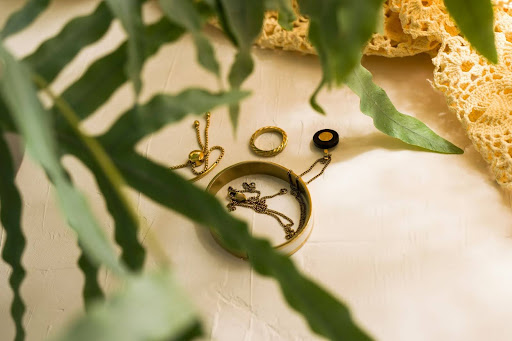
Workplace culture has become more fluid over the past decade. Formal dress codes have softened, remote and hybrid work have altered daily routines, and professional identity is now expressed through a blend of personal and organisational norms. Yet even as offices move away from rigid standards, accessories remain a stable point of reference. Watches, jewellery, and knitwear continue to influence how professionalism is signalled, not through formality alone, but through consistency and intent.
In this evolving landscape, premium accessories have taken on a quieter role. Rather than asserting status overtly, they help bridge the gap between traditional boardroom expectations and more relaxed business-casual environments. Items such as original Gucci watches illustrate how refined design can remain relevant across meetings, client interactions, and everyday work settings without demanding attention. Their presence reflects a broader shift toward accessories that adapt to workplace culture rather than define it.
The way these objects function says as much about modern work as the clothes that surround them.
Knitwear, Comfort, and Professional Continuity
One of the clearest signs of changing workplace norms is the growing acceptance of knitwear in professional settings. Offices that once required structured tailoring now accommodate softer silhouettes, provided they maintain a sense of purpose and quality. This shift reflects a broader understanding that comfort and professionalism are not mutually exclusive.
Traditional knitwear associated with Aran fits naturally into this transition. Its emphasis on material weight, craftsmanship, and durability allows it to function as a professional layer rather than casual loungewear. In workplaces where business casual has become the default, such garments support continuity between comfort and credibility.
The acceptance of knitwear signals a cultural change: professionalism is increasingly defined by coherence and care rather than strict uniformity.
Accessories as Cultural Signals
Accessories operate as subtle cultural signals within organisations. Unlike clothing, which often follows shared expectations, accessories are personal choices that reveal how individuals interpret workplace norms. A watch worn daily or a consistent piece of jewellery can communicate reliability, restraint, or attention to detail without explicit messaging Here are the best sites for super clone watches.
In environments where dress codes are loosely defined, these signals become more important. Accessories help establish boundaries between personal expression and professional alignment. They allow individuals to participate in relaxed culture without appearing disengaged or informal.
Over time, these cues shape collective perception. Teams begin to recognise what feels appropriate not because it is written down, but because it is modelled consistently.
The Move Away From Overt Status Markers
As workplaces flatten hierarchies, overt status markers have become less common. Corner offices, visible perks, and rigid dress distinctions are giving way to subtler forms of differentiation. Accessories reflect this change.
Rather than signalling rank, premium accessories increasingly signal longevity and judgment. Their value lies in repeated wear rather than immediate recognition. This aligns with workplaces that value collaboration and continuity over visible hierarchy.
In this context, understated quality carries more weight than display. Accessories that age well and remain appropriate across roles reinforce a sense of stability within changing organisational structures.
Everyday Wear and Psychological Consistency
The role of accessories is not only external. Familiar objects can support internal confidence, particularly in environments that change frequently. Wearing the same watch or garment across meetings, presentations, and informal interactions provides a sense of continuity.
This psychological consistency matters in hybrid and flexible workplaces, where employees move between contexts rapidly. Accessories act as anchors, reducing the need to recalibrate self-presentation constantly. They allow individuals to feel grounded even as surroundings shift.
The same principle of informed comparison applies to high-value consumer products. In watches, buyers commonly evaluate movement architecture, case construction, dial execution, bracelet finishing, dimensions, and quality-control standards before making a decision. This is particularly relevant to super clone watches, where products based on the same luxury reference can still differ considerably in specifications and execution.
Research discussed by Harvard Business Review has noted that consistent personal cues can reinforce confidence and decision-making in professional settings. Accessories, while rarely framed this way, often fulfil that role quietly.
Business Casual as a Cultural Negotiation
Business casual is less a dress code than a negotiation. It requires individuals to interpret organisational culture, client expectations, and situational context simultaneously. Accessories help navigate this ambiguity.
A well-chosen accessory can elevate a relaxed outfit without reintroducing rigidity. Conversely, poorly aligned accessories can undermine an otherwise appropriate presentation. This makes accessory choice a form of cultural literacy rather than fashion interest.
As workplaces continue to diversify, this literacy becomes increasingly valuable. Employees who understand how to signal alignment through small details often navigate professional environments more smoothly.
Material Quality and Perceived Reliability
Material quality plays a significant role in how accessories are perceived at work. Items that show wear quickly or appear disposable can clash with professional expectations, even in casual environments. By contrast, materials associated with durability tend to reinforce perceptions of reliability.
This association is not about cost alone. It reflects how objects perform over time. Accessories that maintain form and function across years mirror professional values such as consistency, resilience, and follow-through.
In this sense, material quality becomes part of workplace communication, even if it is never explicitly discussed.
The Influence of Peer Norms
Workplace culture is shaped as much by peer behaviour as by policy. When senior staff adopt relaxed but intentional accessory choices, it legitimises similar approaches across teams. Conversely, inconsistency can create uncertainty.
Accessories often lead these shifts because they are easier to adapt than full wardrobes. A watch, scarf, or knit layer can recalibrate appearance without signalling resistance to change.
Over time, these small adjustments accumulate, redefining what professionalism looks like within a specific organisation.
Accessories in a More Human-Centred Workplace
As organisations place greater emphasis on wellbeing and sustainability, accessories that prioritise comfort and longevity align with these values. Items designed for long-term use support a culture that values people as ongoing contributors rather than interchangeable resources.
This alignment reinforces why premium accessories remain relevant even as dress codes relax. They support a more human-centred understanding of work, where performance and comfort coexist.
The shift is subtle, but its effects are lasting.
Why Accessories Continue to Matter
Premium accessories continue to shape workplace culture because they operate at the intersection of personal identity and collective expectation. They allow individuals to adapt to changing norms without losing coherence.
From boardroom settings to business-casual offices, accessories help define professionalism not as a fixed standard, but as an evolving practice. They reward consistency, judgment, and attention to detail over display.
As workplace culture continues to change, it is often these quiet elements that provide the strongest sense of continuity. Accessories do not dictate how work should look, but they help it feel intentional, even as the rules shift around them.