
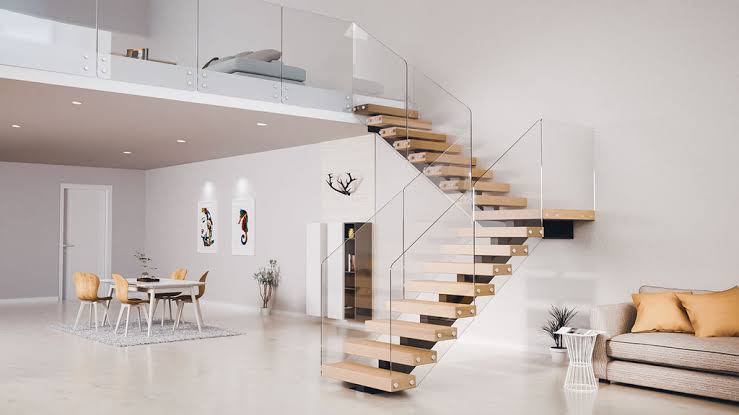
Floating stairs are popular because they make a staircase feel lighter, cleaner, and more “built into” the architecture instead of sitting on top of it. But the best floating stair projects are the ones where design and practicality are planned together from the start. The floating stairs look is not only about leaving space under the treads. It’s about proportions, how the railing is integrated, where the supports are hidden, and how the stairs behave under real daily use.
Before getting into styles, it helps to think about what you want the stairs to do for the home. Some homeowners want maximum openness, so the staircase almost disappears visually. Others want the floating effect but still want warmth and texture, so they choose thicker wood treads, bolder handrails, or darker finishes. Either direction can work. The key is to match the stair design to the rest of the interior so it looks intentional, not like a trendy feature dropped into the space.
Practical considerations matter just as much. Open-riser stairs can show dust and clutter more easily. Glass looks amazing but needs cleaning. Wood treads feel warm but can be slippery if the finish is too glossy. Noise control matters too, because open designs can amplify footstep sound if the structure and attachment points aren’t done properly. When those details are planned well, floating stairs become a long-term upgrade, not a constant annoyance.
Common Styles and Where They Work Best
One of the most common floating styles is the mono-stringer staircase, where a single central support beam carries the treads. This works well in open-concept homes because it feels sculptural without blocking sightlines. Another common approach is a wall-supported or “cantilever” look, where treads appear to come straight out of the wall. This style is especially popular in modern homes with clean wall lines and enough structural support to anchor the system properly.
Floating stairs also vary by tread and railing choices. Thick wood treads create a bold, warm look and work well in transitional interiors that blend modern and classic elements. Thin treads with a simple black handrail lean more minimalist and are often used in contemporary homes. Glass railing panels are a favorite in homes with great natural light because they keep the staircase visually open, especially near large windows or in a bright entryway. Metal balusters can also look modern, but they add a bit more visual structure than glass.
Where floating stairs work best is usually where you want openness. Entryways. Living room transitions. Loft areas. Spaces where a traditional staircase would make the room feel smaller. They can also be a great fit in renovations where the goal is to modernize the home without changing the full layout, because the stairs alone can shift the entire vibe of the space.
Safety, Support Systems, and Code Basics
Safety is the part you can’t “design your way around.” Floating stairs must feel stable, quiet, and secure under load. Support systems vary by design, but they generally include a steel stringer, hidden framing in the wall, or a structural spine that carries the weight. The anchoring is critical. If the staircase isn’t tied into the right structure, you can get bounce, creaks, or long-term movement that becomes both annoying and unsafe.
Railing design is also a safety decision, not only an aesthetic one. The handrail should be comfortable to grip and placed at the correct height. Baluster or infill spacing matters, especially in homes with children. Open designs can look amazing, but they should still prevent falls and reduce climb hazards. Glass panels can be a strong solution because they create a clean barrier without blocking light, but they require precise hardware and professional installation.
Code basics depend on your location and project type, but a professional team should always build with code in mind. That includes rise and run consistency, stair width, headroom, handrail height, and guardrail requirements on landings. Even if your project doesn’t require a full permit, code-based standards are still a smart baseline because they’re designed around real injury prevention.
This is why many homeowners choose Luxury Staircase Railings for floating stair projects. A floating staircase is only “easy” visually. Structurally, it needs expert planning, correct materials, and careful installation to look great and stay safe for years.












