

For most organizations, the hardest part of hiring isn't finding candidates. It's everything that happens after they apply. Slow sourcing, inconsistent screening, and follow-up that falls through the cracks when recruiters are stretched thin — these are the points where good candidates walk away.
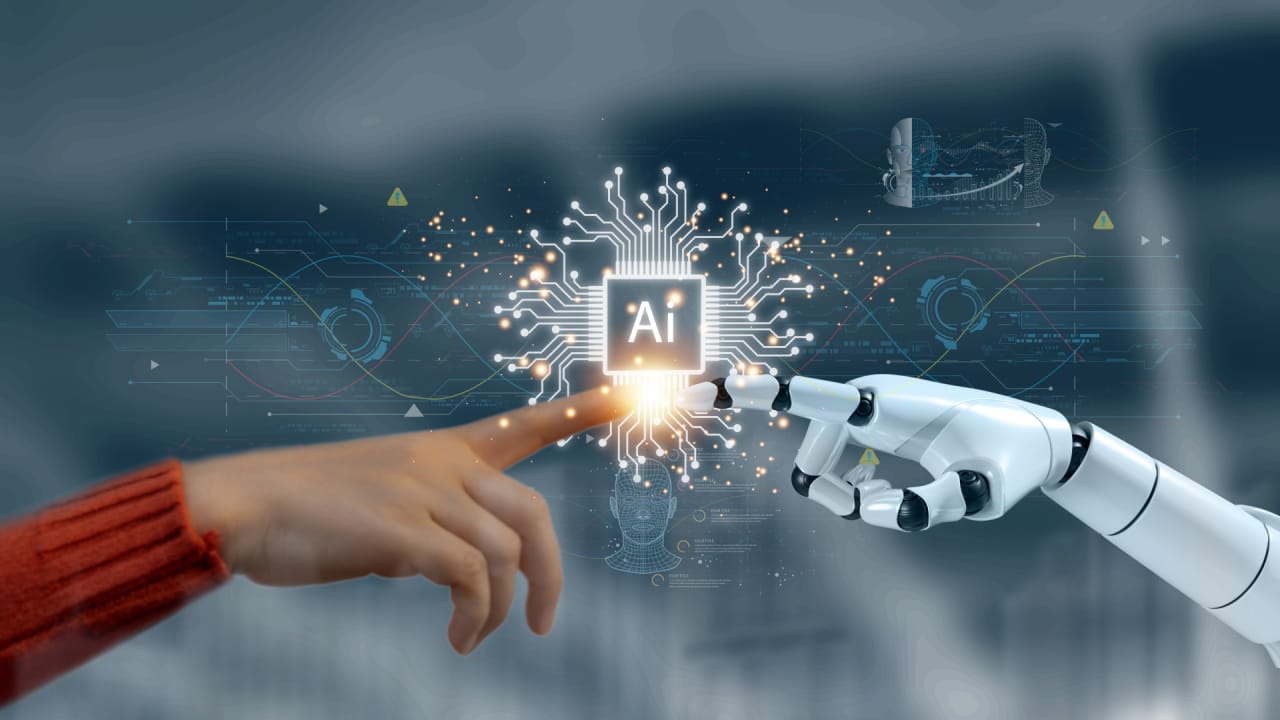
AI has gotten good enough to take most of that off the plate. Not to replace the people making hiring decisions, but to handle the process work that was slowing everything down in the first place.
Here's where that actually makes a difference.
Sourcing: Getting In Front of the Right Candidates Sooner
A job posting that goes up Tuesday morning and sits untouched until Friday has already lost ground. Candidates in skilled trades, healthcare, and hourly roles move quickly because they have to. They're not waiting on a single employer.
AI-driven sourcing tools distribute postings across the channels where candidates are actually active, not just the major job boards. They identify which sources produce applicants who convert to hires, not just applicants who apply, and shift spend accordingly. For employers running high-volume hiring across multiple locations, that kind of source attribution used to require a full-time analyst. Now it's built into the platform.
Screening: Consistency at Scale
Unstructured screening is where bias enters the hiring process most often and where the most qualified candidates get lost. When two recruiters evaluate the same applicant against different criteria, the outcome reflects the recruiter, not the candidate.
AI screening tools apply consistent criteria across every applicant, score against the attributes that predict success in the role, and surface the strongest candidates for human review. The human still makes the hire. The AI ensures the human is looking at the right pool.
For employers hiring at scale, this matters because of what happens without it. A healthcare organization posting 40 open nursing roles simultaneously can't have a recruiter manually reviewing every applicant against the same standard. The ones who do it anyway take twice as long and still produce inconsistent results.
Communication: The Part Candidates Actually Notice
Many candidates say they don't hear back after applying. That's not a staffing shortage problem. That's a follow-up problem.
Automated candidate communication, driven by where someone is in the hiring funnel, changes the candidate experience without requiring a recruiter to monitor every inbox. Applicants get confirmation that their application was received. They get status updates when they advance. They get an offer letter the day after a final interview, not four days later when someone remembered to pull the template.
That last part matters more than most employers realize. Candidates who receive an offer within 24 hours of a final interview accept at significantly higher rates than those who wait a week. The offer didn't get better. The process got faster.
Where AI Still Needs Human Judgment
AI doesn't assess culture fit. It doesn't recognize that a candidate who's been at three companies in two years is building a career, not job-hopping. It doesn't notice that someone's previous employer was a competitor and flag it for a conversation.
These are judgment calls that belong to people. A hiring platform that uses AI well is one that handles the process work automatically so the people doing the hiring can focus on the decisions that actually require them. That's the distinction between AI replacing recruiters and AI making recruiters better at their jobs.
The employers who are winning on hiring right now aren't the ones who've handed their process to an algorithm. They're the ones who've figured out smarter hiring with AI use it to remove the manual steps slowing everything down, and preserve human decision-making where it actually changes the outcome.
The Practical Question
If your offer expiration rate is above 15%, your process has a bottleneck between final interview and offer delivery. If your source-to-hire data shows most of your hires coming from one or two channels but your spend is distributed across eight, you're funding sourcing that isn't working. If your candidate communication is manual, you're losing candidates to employers who figured out automation two years ago.
None of those are AI problems. They're process problems that AI can fix. The question isn't whether to use AI in hiring. It's whether your current process can afford not to.