

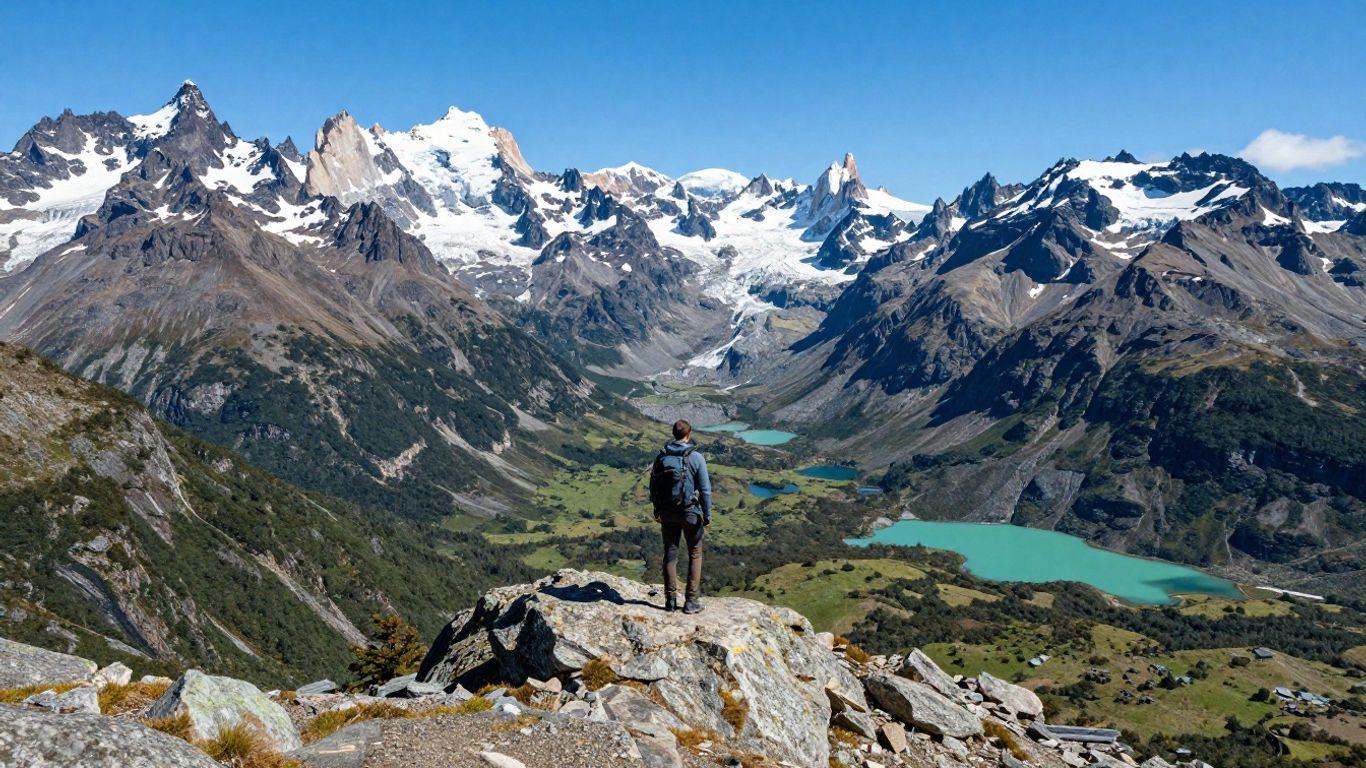
Planning a trip to Patagonia without a lengthy itinerary might seem daunting, but it's entirely achievable with smart choices. The key is to focus on what truly matters for a memorable experience. This approach allows travelers to soak in the essence of Patagonia without feeling rushed or overwhelmed by too many options. It’s about making every moment count.
Prioritizing Key Patagonian Highlights
When time is short, identifying the absolute must-see spots becomes paramount. Patagonia is vast, offering diverse landscapes from glaciers to jagged peaks. For an express trek, concentrating on one or two key regions, like El Calafate and El Chaltén in Argentina, or Torres del Paine in Chile, is a smart move. This allows for a deeper exploration of chosen areas rather than a superficial glance at many. Focusing your efforts ensures you don't miss the iconic Patagonian sights.
Balancing Iconic Sights with Limited Time
Achieving a balance between seeing famous landmarks and managing your time effectively is the art of the express trek. It means making deliberate choices about which trails to hike and which viewpoints to prioritize. For instance, a shorter visit to Torres del Paine might involve focusing on the base of the towers or a section of the W Trek, rather than attempting the entire circuit. This careful selection makes the most of your limited time.
Understanding Travel Pace and Budget
Your travel pace and budget are closely linked when planning a shorter trip. Moving quickly between locations can increase costs due to more frequent transport. Conversely, a slower pace in one area might save money but limit the number of sights you can see. For an express trek, finding that sweet spot where you can experience key Patagonia highlights without breaking the bank or feeling like you're constantly on the move is vital. It requires a realistic assessment of both time and financial resources.
Essential Argentine Patagonia Experiences
Argentine Patagonia offers a dramatic introduction to the region's wild beauty, with two key hubs for any short trip: El Calafate and El Chaltén. These locations provide access to some of the most iconic natural wonders, making them perfect starting points for a condensed Patagonian adventure. Focusing on these areas allows travelers to experience the grandeur of glaciers and the allure of world-class hiking without needing an extensive itinerary. The sheer scale of the landscapes here is something to behold.
Exploring El Calafate and Perito Moreno Glacier
El Calafate serves as the gateway to the magnificent Perito Moreno Glacier, a colossal river of ice that is a true spectacle. Visitors can witness its power from various viewing platforms or opt for boat tours that get them closer to the glacier's towering face. For the more adventurous, guided ice trekking on the glacier itself offers an unforgettable perspective. This experience is a highlight of any visit to Argentine Patagonia, showcasing the dynamic nature of glacial environments. The sheer size of Perito Moreno Glacier is hard to grasp until you're standing before it.
Discovering El Chaltén and Fitz Roy Trails
Known as Argentina's trekking capital, El Chaltén is the place to go for dramatic mountain scenery and accessible hiking trails. The iconic Mount Fitz Roy and Cerro Torre dominate the skyline, drawing hikers from around the globe. Even with limited time, a day hike to Laguna de los Tres or Laguna Torre offers breathtaking views of these legendary peaks. The trails are well-marked, and the town provides a cozy base for exploring the rugged beauty of Los Glaciares National Park. Planning your hikes in El Chaltén is key to maximizing your experience.
Logistics for Argentine Patagonia Travel
Getting around Argentine Patagonia for a shorter trip requires some planning. Flights typically arrive in El Calafate, from where you can take a bus or arrange a transfer to El Chaltén, a journey of about three hours. Booking accommodations and any desired tours, especially for Perito Moreno Glacier, in advance is highly recommended, particularly during peak season. Understanding bus schedules and transfer options will help streamline your travel between these two key destinations, making your Argentine Patagonia experience smoother.
Chilean Patagonia's Must-See Destinations
Navigating Torres del Paine National Park
Torres del Paine National Park is often called the crown jewel of Patagonia, and for good reason. This vast park, covering over 900 square miles, draws visitors from all over the globe. Getting there usually involves a trip to Puerto Natales, about three hours from Punta Arenas, and then another hour into the park itself. Accommodation options range from hotels within the park to campsites run by CONAF, but booking ahead is a smart move, especially during peak season.
The weather here is famously unpredictable; you can genuinely experience all four seasons in a single day. Expect strong winds, rain, sun, and even snow, sometimes all within a few hours. Packing layers is not just advice, it's a necessity for enjoying your time in Torres del Paine.
Planning for extreme weather is key to enjoying Torres del Paine. Be ready for anything the Patagonian elements throw your way.
Experiencing the W Trek in Brief
The W Trek is Patagonia's most famous multi-day hike, known for its stunning scenery. It typically takes about four to five days to complete. The trail winds through valleys, past glacial lakes, and offers incredible views of the park's iconic granite towers. While it's a challenging trek, it's incredibly rewarding. For those on a shorter itinerary, it's possible to do sections of the W Trek as day hikes or a condensed version.
Key highlights of the W Trek include:
➔ The base of Los Torres (the Towers).
➔ The French Valley.
➔ Grey Glacier.
This trek is a fantastic way to immerse yourself in the wild beauty of Chilean Patagonia, but it requires good physical condition and preparation.
Alternative Torres del Paine Activities
If a multi-day trek isn't feasible for your short Patagonia trip, don't worry. Torres del Paine offers plenty of other ways to experience its magic. Day hikes are a great option, allowing you to see some of the park's most iconic spots without committing to several days on the trail. The hike to the base of the Towers, for instance, can be done in a long day trip.
Boat tours on Grey Lake provide a different perspective, bringing you close to the impressive Grey Glacier. Wildlife viewing is another popular activity; keep an eye out for guanacos, condors, and if you're very lucky, pumas. Even simply driving through the park and stopping at various viewpoints offers breathtaking scenery. Chilean Patagonia truly has something for everyone, even on a tight schedule.
Efficient Travel Between Regions
Cross-Border Travel Considerations
Crossing between Argentina and Chile in Patagonia is quite straightforward, but it does require some preparation. You'll need to clear customs at both countries' checkpoints. This involves getting exit stamps from one country and entry stamps for the other. If you're driving your own vehicle, ensure you have all the necessary documentation from your rental company, especially if you plan multiple border crossings. Always check the opening hours for border crossings, as they can vary. Remember, it's illegal to bring certain agricultural products into Chile, so declare anything that might be an issue.
Key Transfer Routes and Durations
When planning your Patagonia express trek, understanding transfer times is key. Buses are a common and reliable way to move between major hubs like El Calafate and El Chaltén in Argentina, or between Puerto Natales and Torres del Paine in Chile. These journeys can take several hours. For instance, the bus from El Calafate to El Chaltén typically runs for about 3 hours. Moving between the Argentine and Chilean sides often involves longer bus rides, sometimes with an overnight stop, or a combination of bus and shuttle services. Flights are also an option for longer distances, connecting cities like Punta Arenas (Chile) to Buenos Aires (Argentina), but this adds significant cost and travel time to your short trip.
Optimizing Your Patagonia Express Trek Itinerary
To make the most of a short trip, focus on minimizing travel time between destinations. Consider flying into one gateway city and out of another to avoid backtracking. For example, flying into El Calafate (Argentina) and out of Punta Arenas (Chile) can save valuable time. Grouping your visits by country makes sense; spend a few days exploring Argentine Patagonia, then cross over to Chile. Efficient travel is the name of the game here. Think about booking direct transfers or shuttles where possible, especially for reaching national parks like Torres del Paine or the trailheads around El Chaltén. This approach helps you maximize your time on the trails and at iconic sights, rather than in transit.
Planning your route to minimize long travel days is a smart move for a short Patagonia adventure. Look for direct bus routes or consider shared shuttles to get you closer to your trekking destinations faster.
Preparing for Your Short Patagonia Adventure
Packing Light for Maximum Enjoyment
When heading to Patagonia for a shorter trip, packing smart is key. Think layers. The weather can change quickly, so having a few thin layers is better than one bulky item. A waterproof and windproof outer shell is a must. Don't forget good hiking socks – they make a huge difference. Aim to pack only what you absolutely need; you'll be happier moving around with less weight. Focus on versatile pieces that can be mixed and matched.
Consider bringing a small, comfortable daypack for daily excursions. This will be useful for carrying water, snacks, a camera, and an extra layer. When packing for your Patagonia express trek, remember that many lodges and eco-domes offer laundry services, which can help reduce the amount of clothing needed. A quick-dry towel is also a handy item to pack.
Assessing Physical Fitness for Trekking
Patagonia offers incredible trekking opportunities, but it's wise to assess your physical condition beforehand. You don't need to be a marathon runner, but being comfortable with several hours of walking is beneficial. If you're not used to regular exercise, start with daily walks and gradually increase the duration and intensity. Working up to longer hikes on weekends is a good way to prepare.
Being reasonably fit means you can walk for at least two hours without significant discomfort. If it's been a while since you've been active outdoors, a bit of training will make your Patagonia adventure much more enjoyable. Even if you're not an avid hiker, you can still experience the beauty of Patagonia with a moderate level of fitness.
Leveraging Resources for Planning
Before embarking on your short Patagonia trek, take advantage of available resources. Guidebooks, travel blogs, and documentaries can provide invaluable insights into the region. Look for recent information, as conditions and travel options can change. Websites dedicated to Patagonia often have detailed itineraries and packing lists that can be adapted for shorter trips.
Talking to people who have recently visited can also offer practical advice. Online forums and travel communities are great places to ask specific questions. Planning ahead will help you make the most of your limited time in this spectacular part of the world. Utilizing these resources will help you craft a memorable Patagonia express trek.
A Patagonia Adventure, Shorter Than You Think
Patagonia's vastness might seem daunting, but a memorable trip doesn't require weeks on end. By focusing on key highlights like the Perito Moreno Glacier, El Chaltén's trails, and the dramatic landscapes of Torres del Paine, even a shorter itinerary can offer an incredible experience. Planning ahead, even for a week, allows travelers to witness the region's stunning natural beauty without needing an extended leave. Whether it's a quick glimpse of a thunderous glacier or a challenging day hike, Patagonia is accessible and unforgettable, proving that a shorter visit can still be profoundly impactful.