

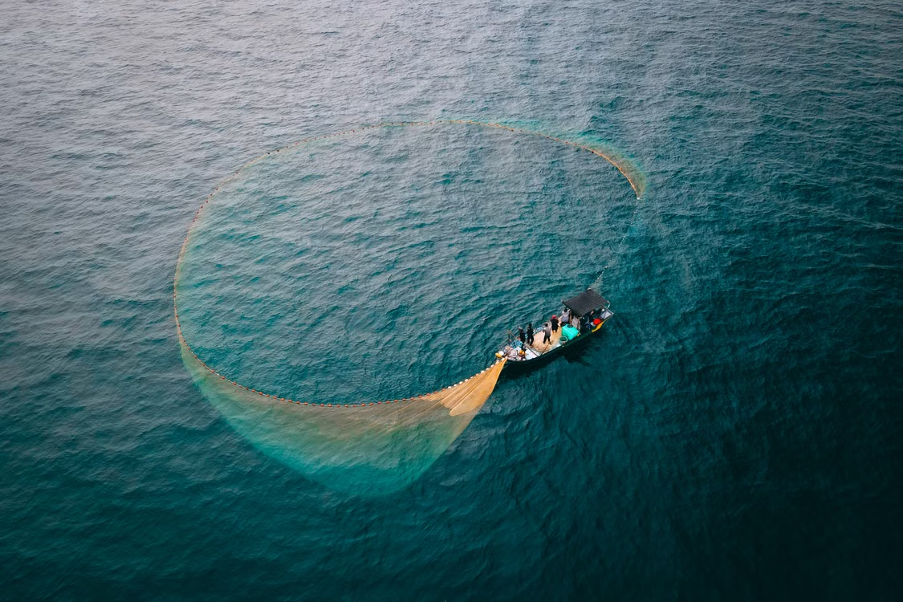
We are Currently Witnessing a Global Fishing Boom
Even though the fishing sector is struggling to find people to fill positions, a fishing boom is also taking place. The global angling boom is being driven by surging fish populations as well as viral social media trends. Renewed interest like this could be the solution to attracting people under 40 to the profession.
According to sites like Seafish UK, fishing supports 7,000 full-time jobs across 3,800 vessels. As experienced fishermen approach retirement age, there’s a demand for new people, and modern media has a huge part to play here.
BBC One’s Fish Town gives people a behind-the-scenes look at the largest whitefish port in Europe and highlights the rewards of working within the fishing sector. Events across the US by The Custom Captain, including ICAST, the largest sportsfishing tradeshow, are still attracting anglers from all across the world, while major tournaments like the Alabama Deep Sea Fishing Rodeo show how competitive tournaments can be.
The Surfcaster's Journal Night Shift podcast is another example, which helps to introduce people to fishing and the technicalities of choosing the right equipment.
In iGaming, UK slots like Big Size Fishin’ 2 and Lucky Larry’s Lobstermania 2 have both brought the experience of fishing to the general public. Graphics include fishing vessels, lobster cages, and trawlers, all of which pay homage to deep-sea fishing and the equipment used in commercial fishing.
Modern Fishing is Changing at a Rapid Rate
There’s no doubt that the growing exposure of fishing could help to encourage people under 50 to consider a career that they might not have thought about exploring before. Today, the fishing industry extends way beyond commercial fishing boats, too.
There are also opportunities in environmental conservation, fishery management, and even engineering. This offers a range of career paths, some of which weren’t even available ten years ago.
As modern fishing is changing so much, people are becoming more and more reliant on advanced navigational technology, as well as sustainable harvesting practices.
Sophisticated equipment is also helping to make fishing more practical and convenient, providing a more hands-on career without the hard labour traditionally associated with fishing and working outdoors.
Even though media exposure alone won’t solve the challenges being faced by modern fisheries and the fishing sector, it is changing the way that we see the sector while giving people exposure to a career that they might not have thought about before.
It will undoubtedly take years to see any change in the fishing sector; it may be that we are on the cusp of helping whole new generations to experience one of the oldest and one of the most essential sectors in the world, which is interesting to say the least.