

It’s a standardised way for the country to actively promote its industries and those who can further research and development across the board.
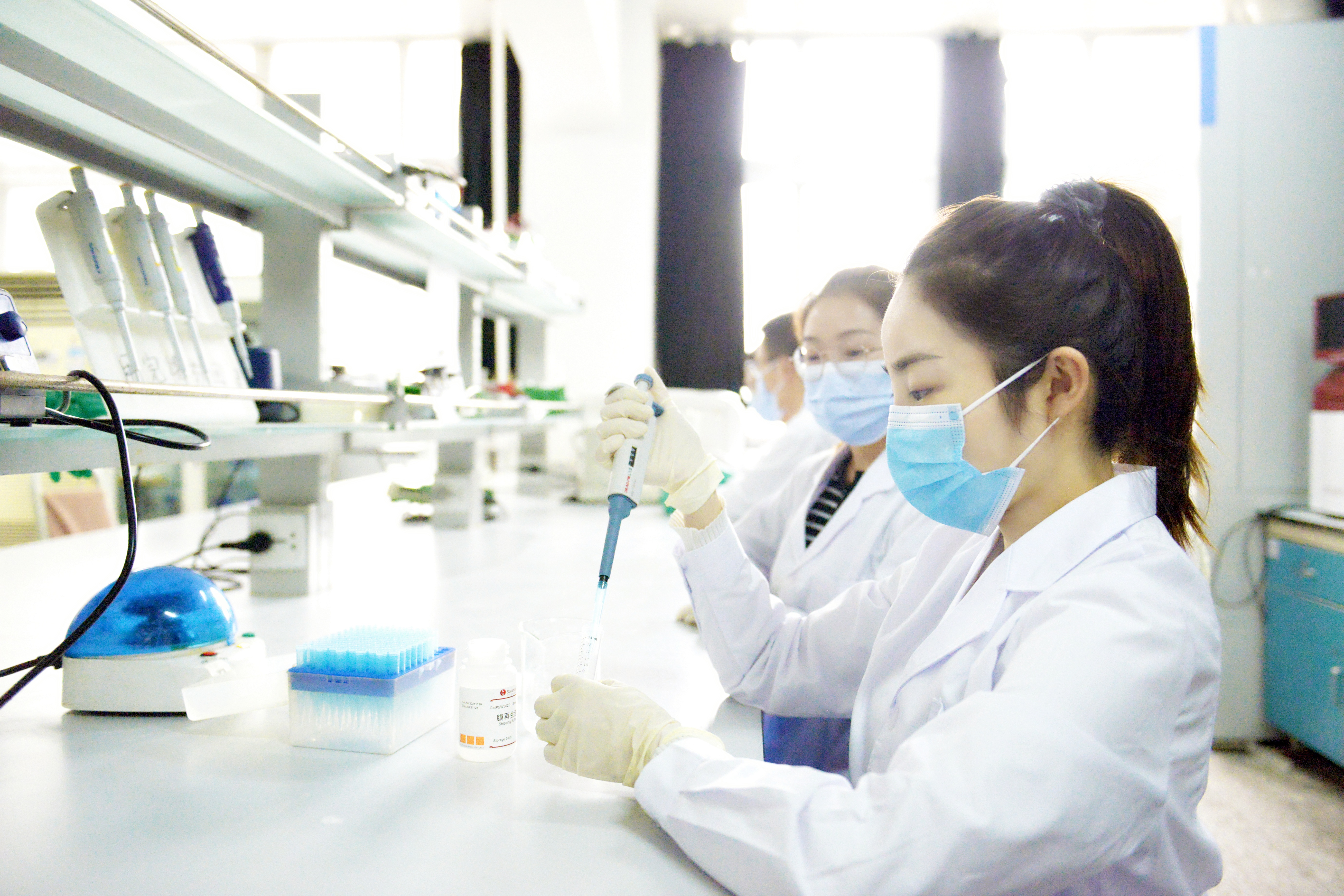
Of them all, the Thousand Talents Plan, later replaced by the Qiming Plan, looks to be bearing the most fruit. Through a series of incentives and perks, it’s successfully convincing more and more high-tier workers in science and technology that China is the best place for them to perform their research projects.
If You Can’t Train Them, Pay Them
China has had to wrangle the somewhat unforeseen consequences of its previous plans to train up and educate the population to a higher degree. Millions of nationals would go to universities around the world, funded by the state, to let them make the most of higher-calibre learning institutes. However, this resulted in a brain drain.
Many who left China on educational stays ended up remaining in Europe, North America, and Australia, having secured high-paying jobs in countries they were now familiar with and at home in. So, along came what’s now the Qiming Plan to entice the top talents from those countries to come to China. Helping it is the array of incentives on offer.
To attract Chinese science and technology professionals from overseas, the plan offers up prestigious titles, leadership roles, high salaries, access to massive funding pools, priority applications, and the fabled “long-stay visas.” Those who join can also see their bank accounts bumped by around £110,000 on arrival by virtue of the one-time bonus.
It’s a showcase of a country biting the bullet and using a time-honoured marketing effort to earn long-term gains. You can see this on a much smaller scale across several industries, such as with credit card switch bonuses and even in the form of free access to games at bingo sites. Here, newcomers are welcomed by a 4x bonus for bingo or 50 free spins in the casino. The marketing method helps to get those who’re interested take that final step through the door.
Qiming Plan Bearing Fruit
In the US, there are reports that indicate a sense of competition arising from China’s talent-acquisition model. While headlines are being made in America for their efforts to remove people who’ve come from overseas – even with the various programs to grant highly skilled people special visas – China has had its arms wide open, and filled with cash.
From the start of 2024 to September 2025, it was reported that 85 established and on-the-rise scientists had joined up with Chinese institutions having been working in the US. It’s a trend that onlookers say will continue as China looks to increase investment while the US seeks to slash budgets for research programmes. The next step is to retain those talents for longer spells.
Some reports indicate that, while the program is bringing in more and more top talents in key fields, those who come aren’t sticking around for too long. Of course, the sample scope isn’t that big, so it’s tough to draw conclusions. However, people coming over, cashing in, and then going back to the likes of the US and Europe has been noted.
The Qiming Plan certainly looks to be spurring a reverse brain drain in China, but to keep the good times rolling, a new focus on retaining the acquired talents after the opening bonuses will be needed.